

What is your story and how would you like it to be told? If you could be
represented in your local museum, how would you choose to be celebrated? These
are the questions being asked and documented in a giant slow stitched patchwork
‘Quilt of Connection’.
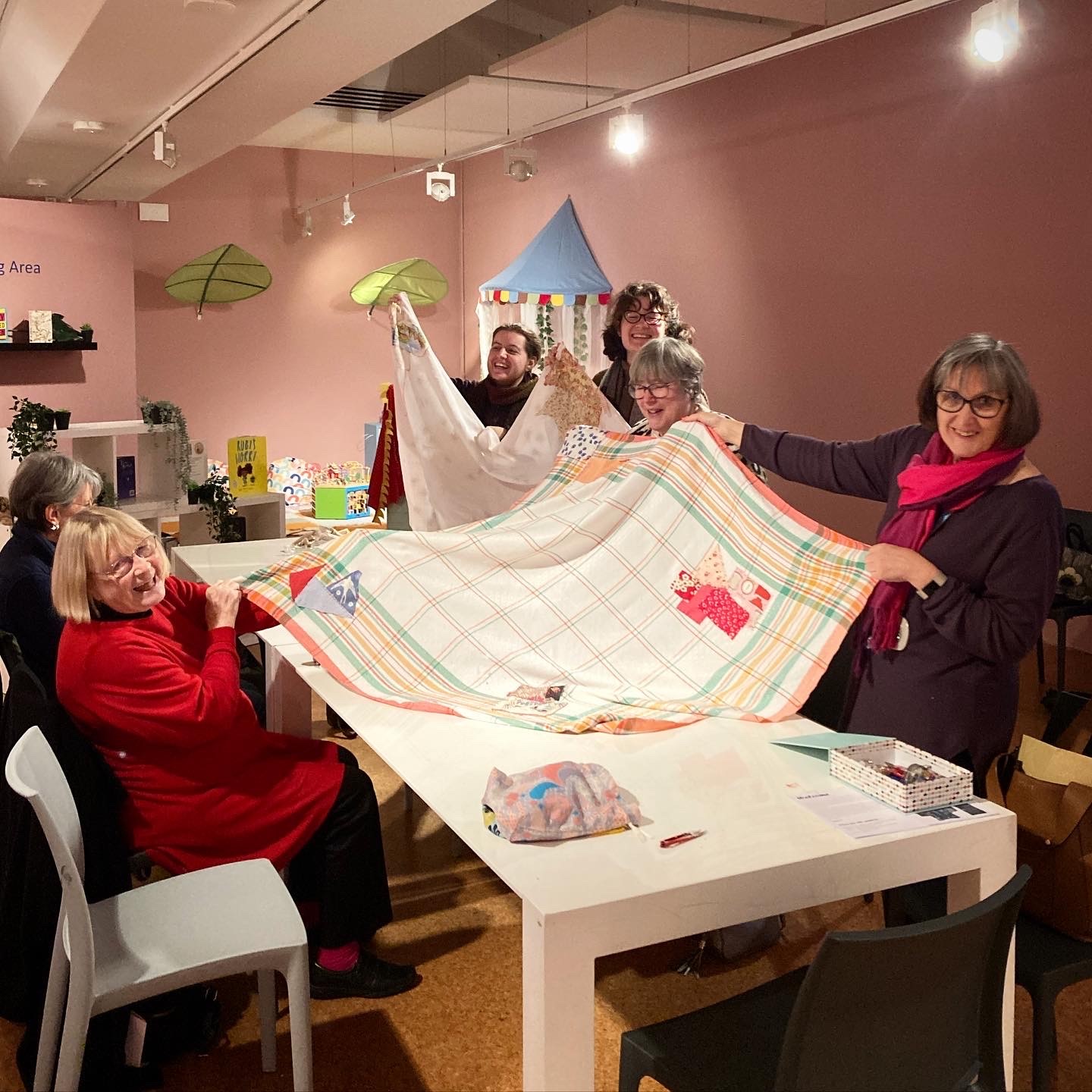
Quilts of Connection is a response to Derby Museum & Art Galleries’ exhibition History makers: Unfolded. The exhibition acts as a provocation for conversation, asking the people of Derby to reflecting upon the stories already told within the museum space and importantly what stories are missing and should be told. Through a series of workshops, together with Derby Museums I am inviting the people of Derby and Derbyshire to join us in creating a giant slow stitched patchwork. This work is a chance for individuals to share their personal stories, their journey, their connection and contribution to the area.
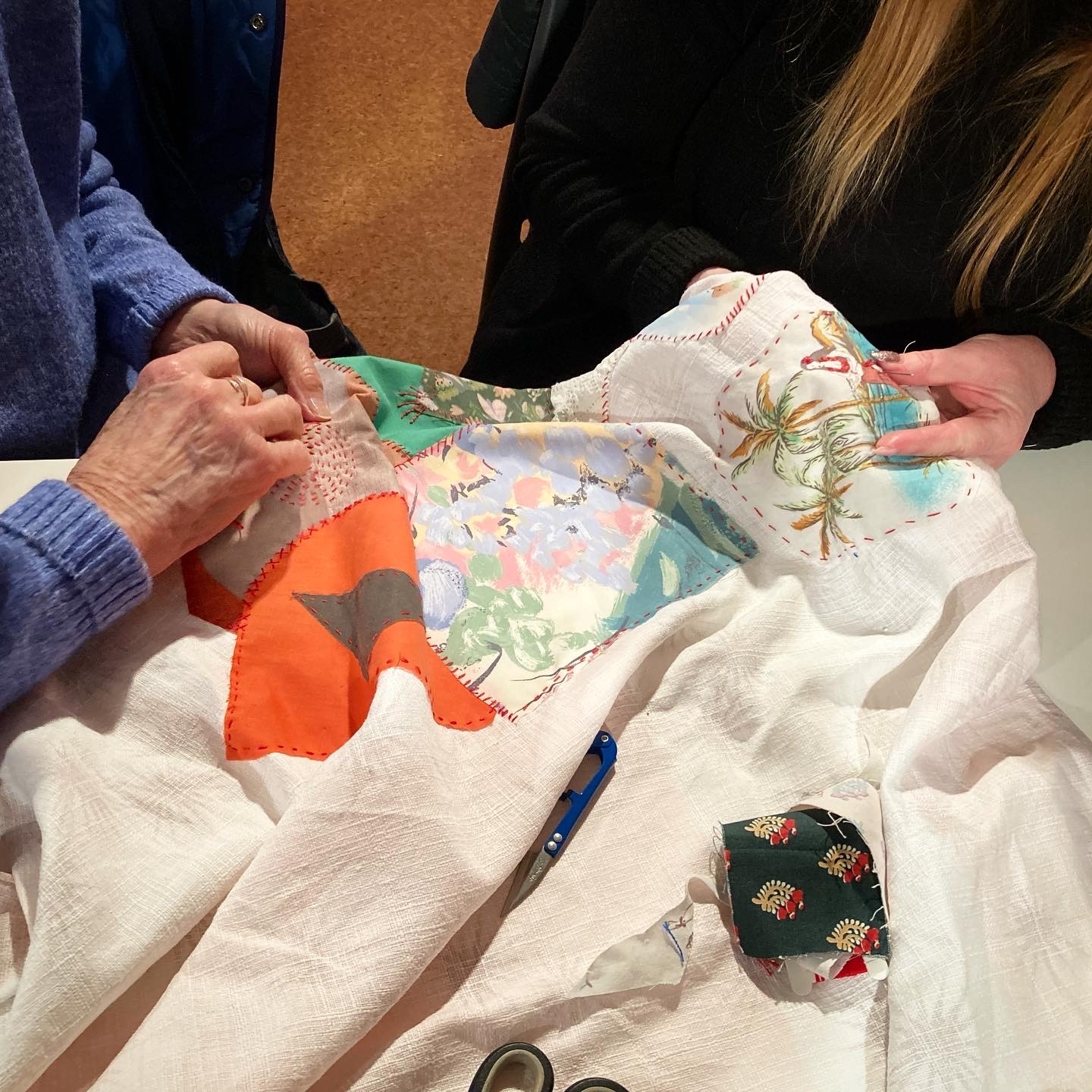
What piece of fabric would you choose to represent your story? It could be as simple as a scrap in your favorite colour, a fragment of clothing from an important occasion, an heirloom piece of family history or a scrap of fabric that reminds you of an important memory. Repurposing cherished or unwanted, leftover and discarded textiles I invite participants to incorporate the stories and memories held within cloth to document important personal narratives and express inner voice. The beautiful, tactile objects created then act as a tangible invitation for further conversation, discussion and remembrance.
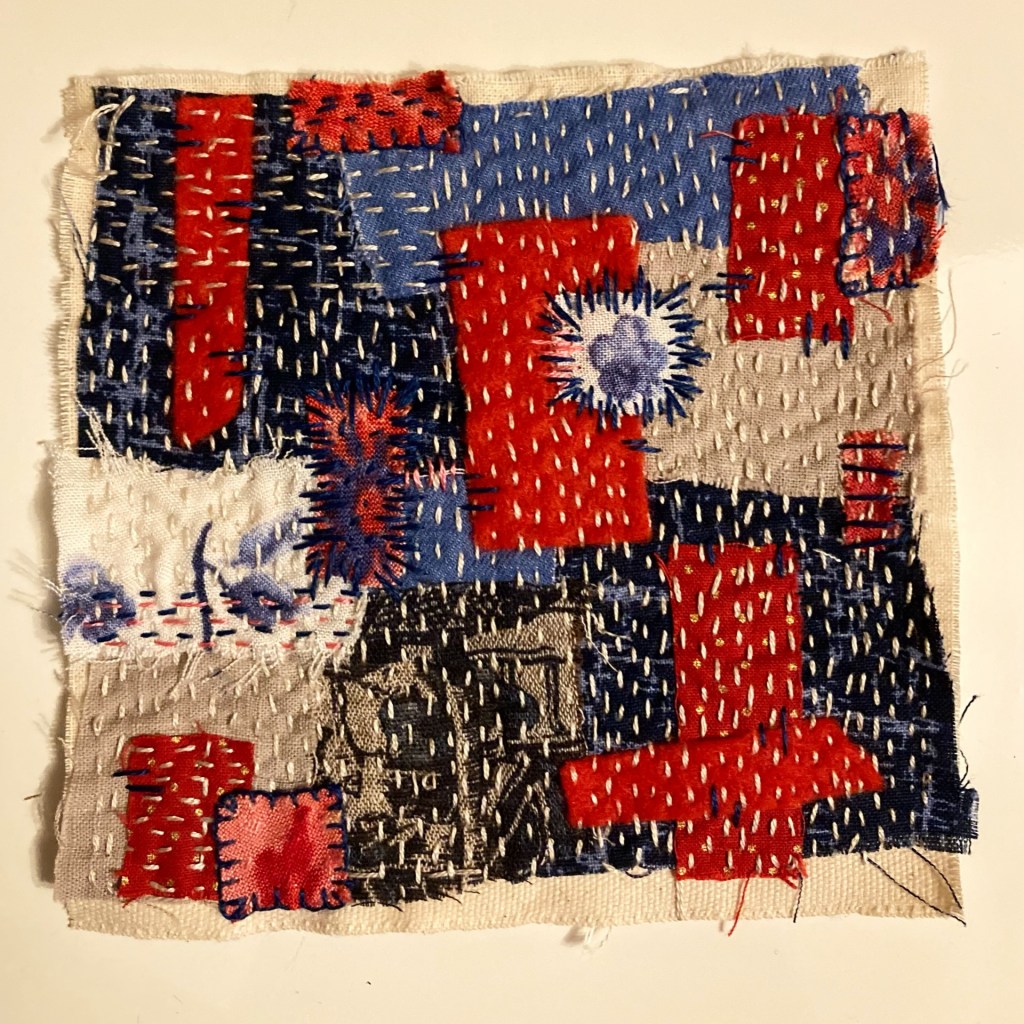
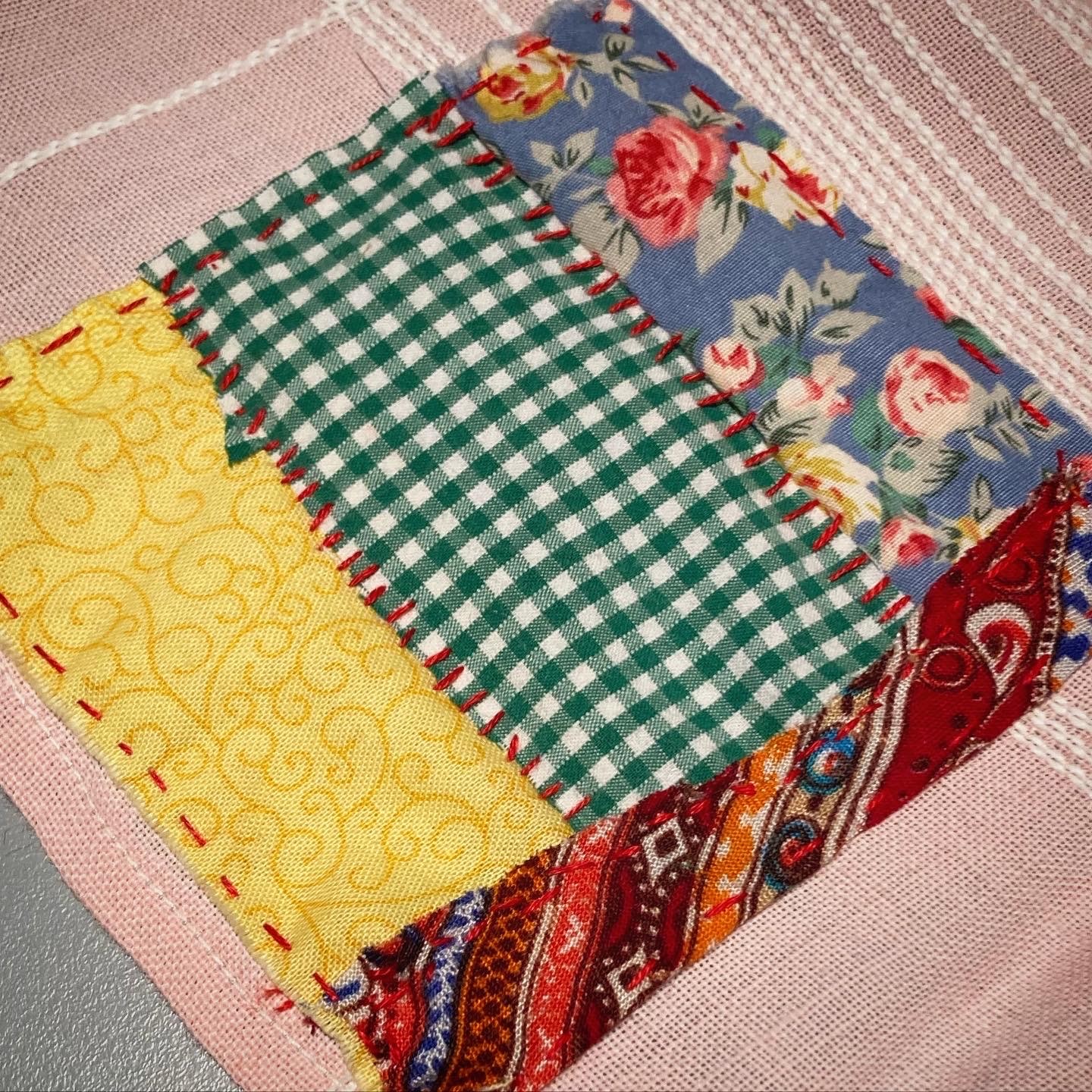
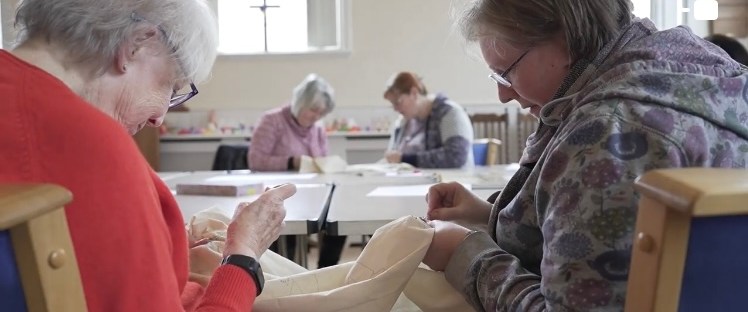
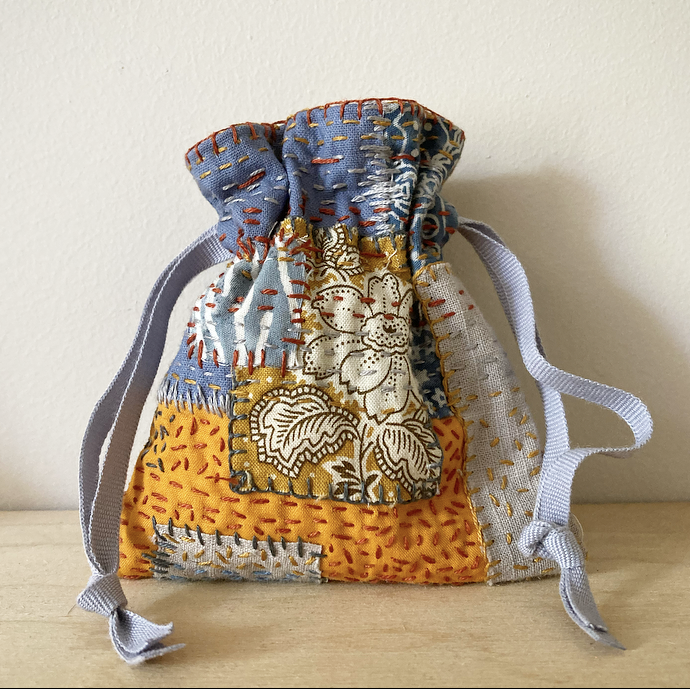
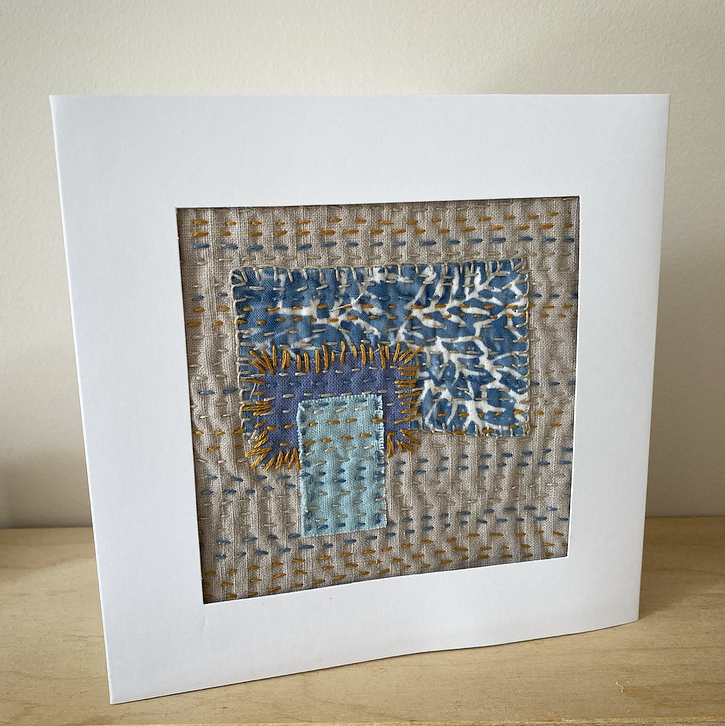
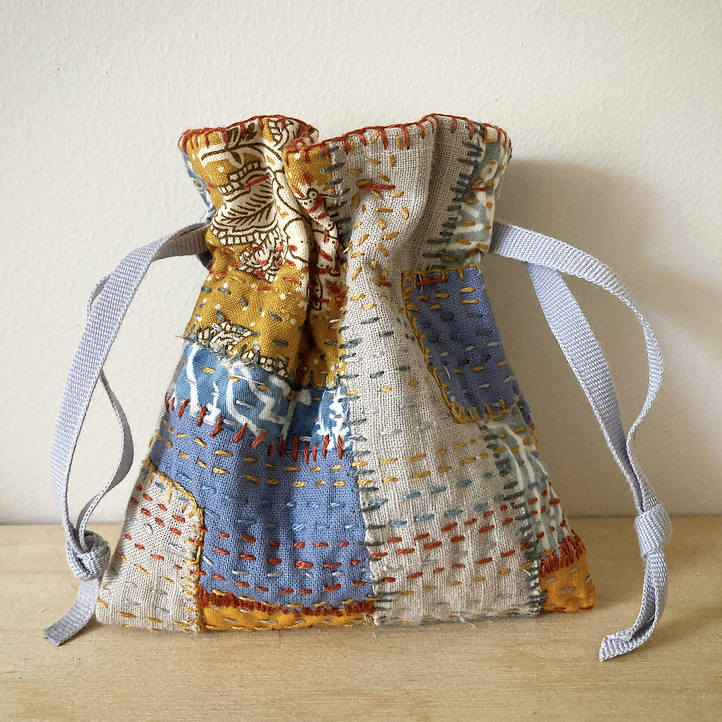
The process of slow stitching is very simple using the most basic of stitches including running, back and seed stitch. Piece by piece the added fragments of fabric layer to create a collage style textile which will represent the participants as a community.
The collage will be worked onto reclaimed textiles associated with human connection including bed sheets and tablecloths, drawing on the intimacy of the objects, and the stories they contain of love, friendship, family, loss, loneliness, migration and community.
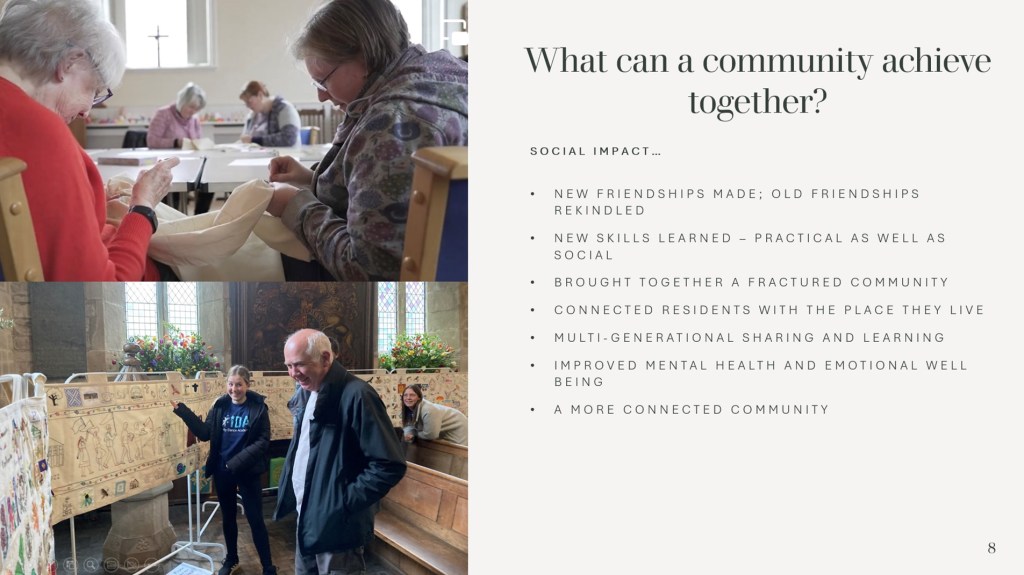
The quilt will be worked in a continuous piece, attaching each next required length of base cloth to the last. Once completed the whole work will be cut up into useable quilts and backed. One will be retained by the museum; the rest will be given to those in the community in need of comfort and support so that they can be wrapped in the shared history of Derby and the warmth of our community connection.
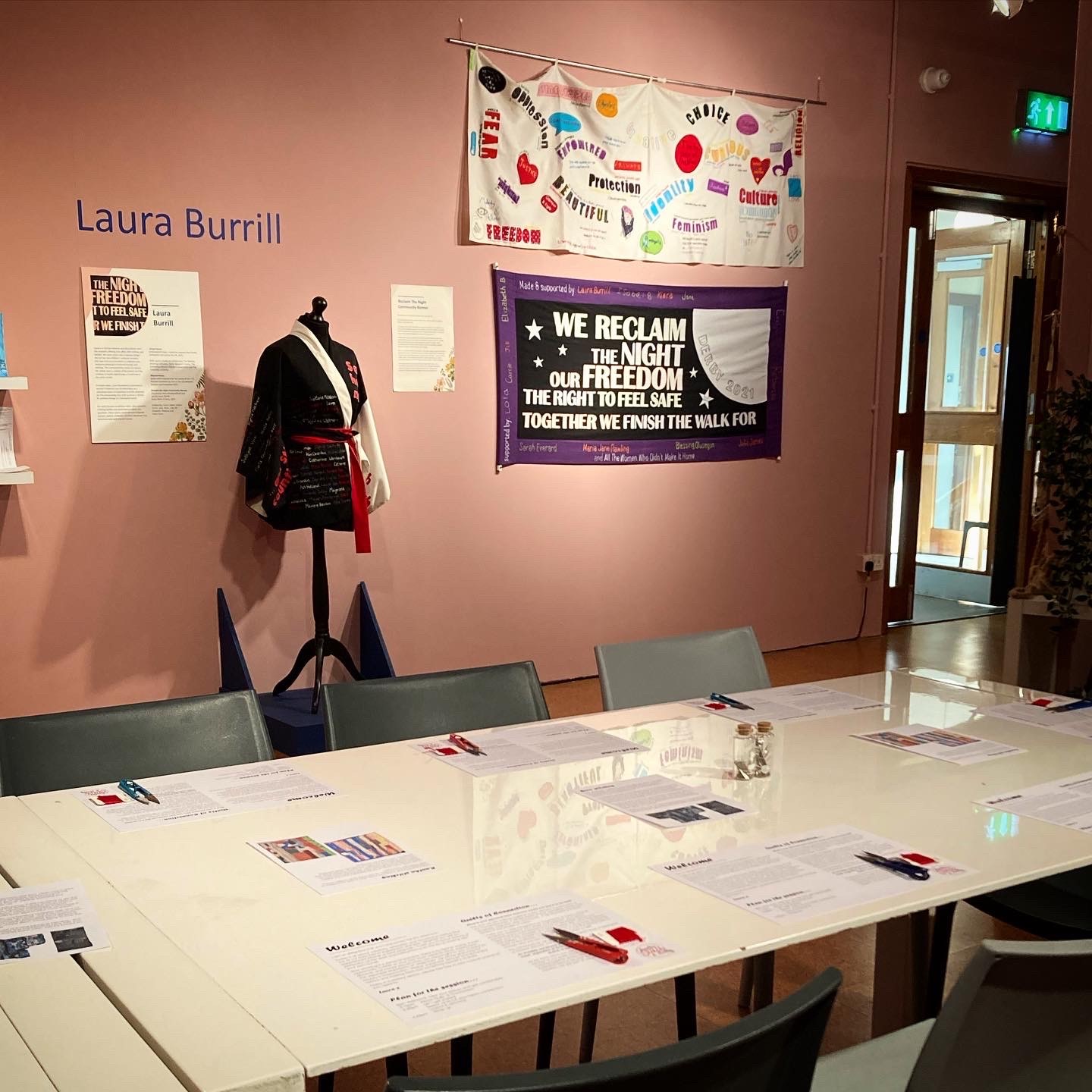
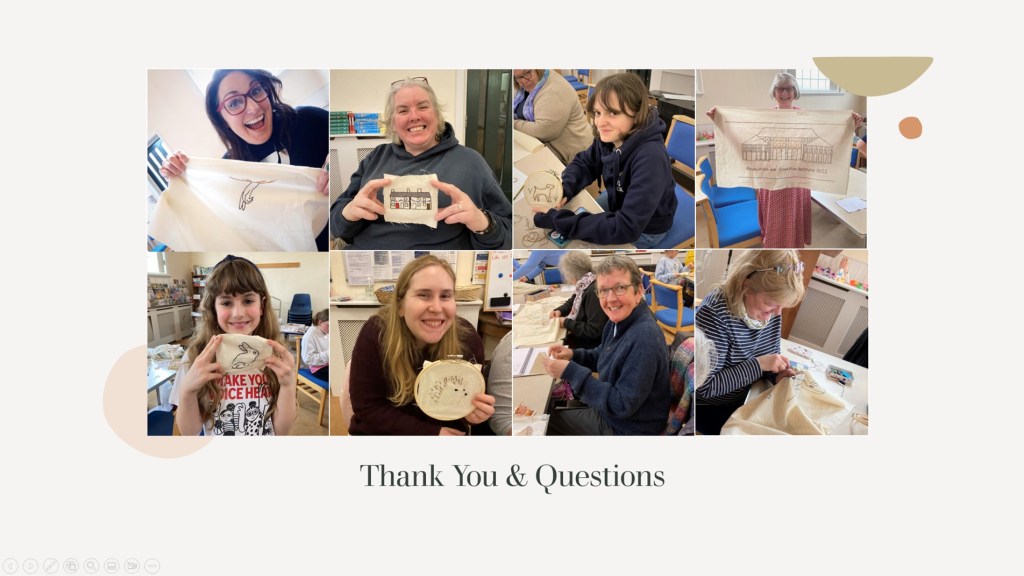
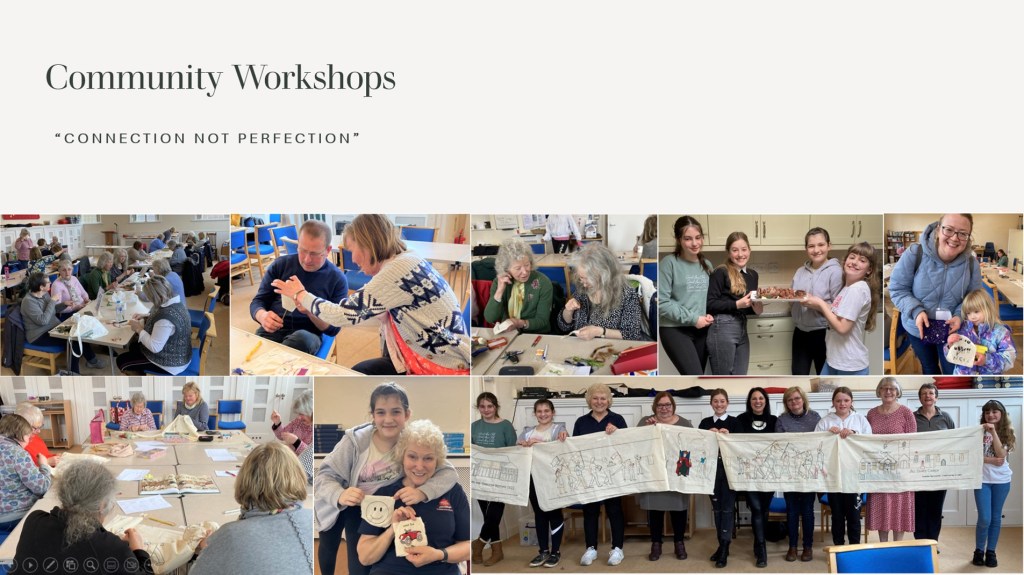
Alongside workshops with organisations including Maison Foo and the Multi-Faith Centre Derby a series of public workshops are planned to take place at the Museum and Art gallery. These are free drop-in sessions. I hope to see you there! Feel free to bring along a fragment of fabric to add to the quilt or enjoy delving into my vast collection of reclaimed and vintage textiles which will be available and free for participants to use.
Upcoming public drop-in workshops:
- Derby Museum & Art Gallery – Sunday 28th January 1.30-.30pm
- Derby Museum & Art Gallery – Saturday 9th March 1.30-3.30pm
- Derby Museum & Art Gallery – Saturday 16th March 1.30 -3.30pm





 Every Stitch A Story