The Art of Holding Space: A Day for Those Who Hold Others

In community and wellbeing spaces across Derby, artists, educators and facilitators hold space for others every day offering room for creativity, connection, and healing. But who holds space for the practitioners?

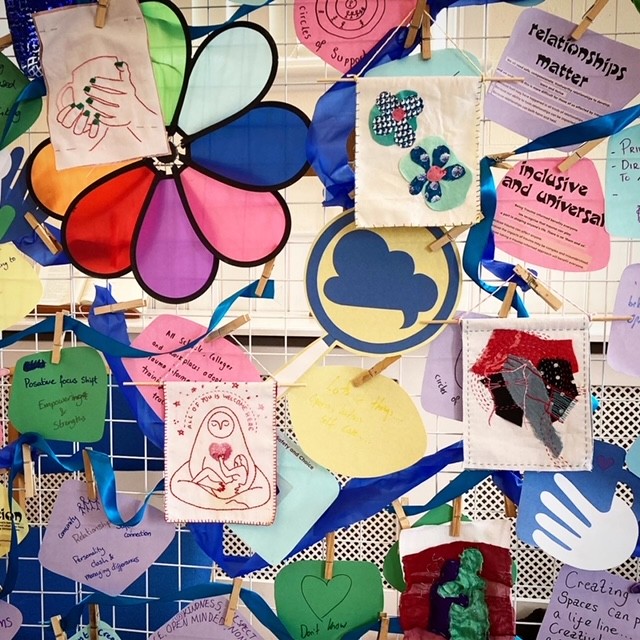
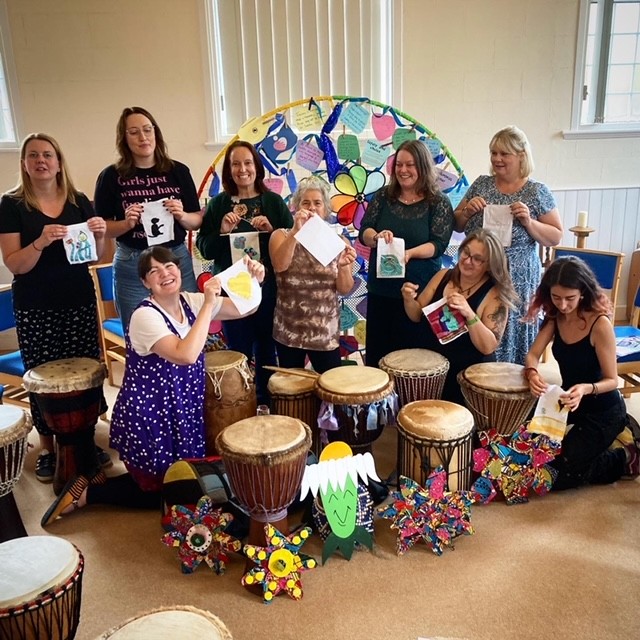
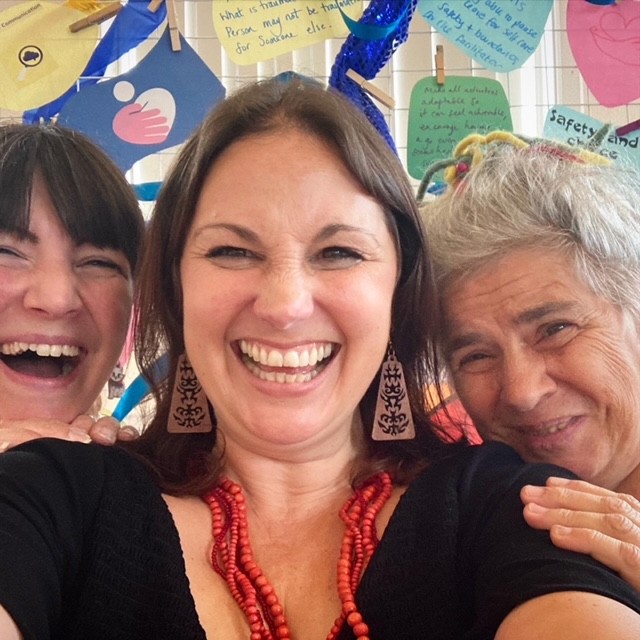
That’s the question that brought us together on Sunday 20th July at Brailsford Methodist Church for The Art of Holding Space, a half-day workshop created especially for those working in community and creative practice. It was a gentle, powerful space for rest, reflection, and reconnection, offering creative tools and trauma-informed approaches for those who spend so much of their time supporting others.

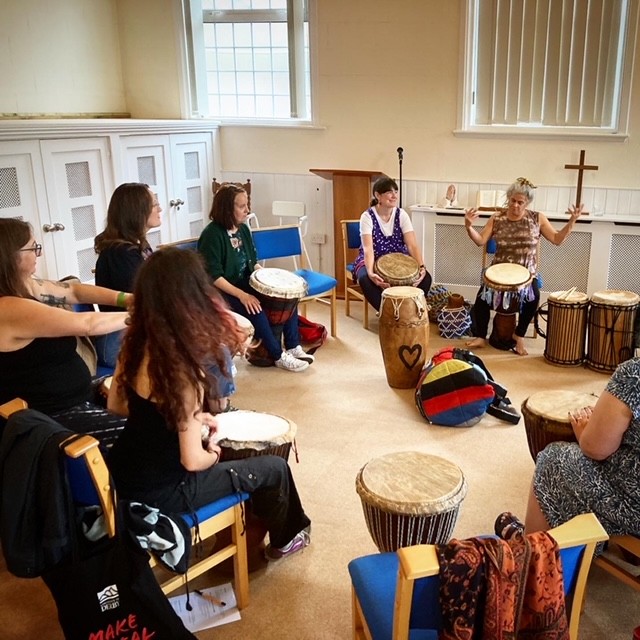
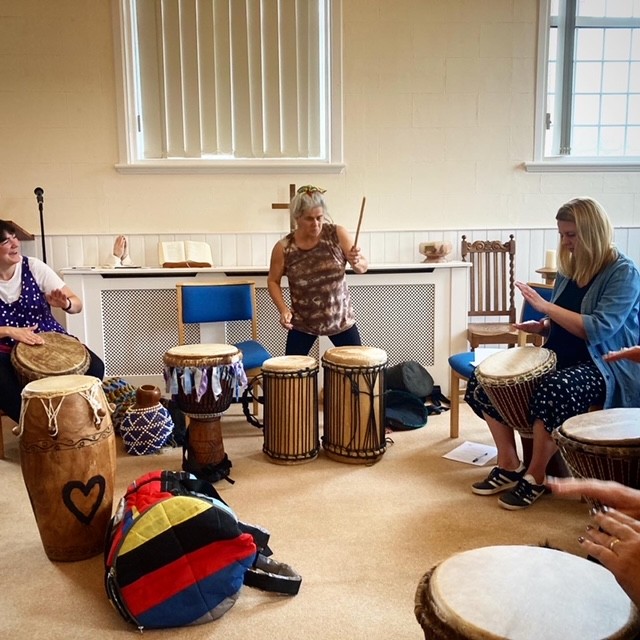
The day opened with grounding rhythms from Chris Sylla, whose drumming circle invited us to settle into our bodies and the space. Some participants had never drummed before and left surprised at how deeply it helped calm their nervous systems and shift anxiety into rhythm.

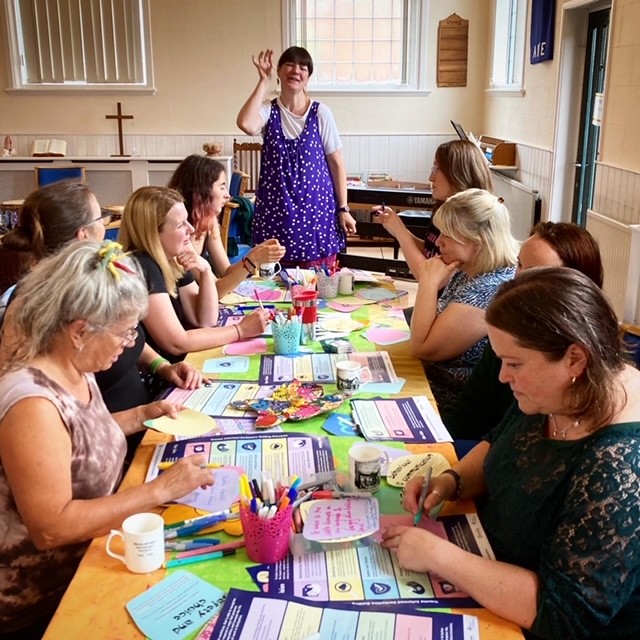
Marie Hegarty from Scraggy Moo then introduced the principles of trauma-informed care, sharing practical and thoughtful ways we can shape safer, more responsive spaces for others — and for ourselves. One participant noted a key learning moment around using boundaries not as barriers, but as tools for care: a reminder that supporting others also means protecting the group from harm.

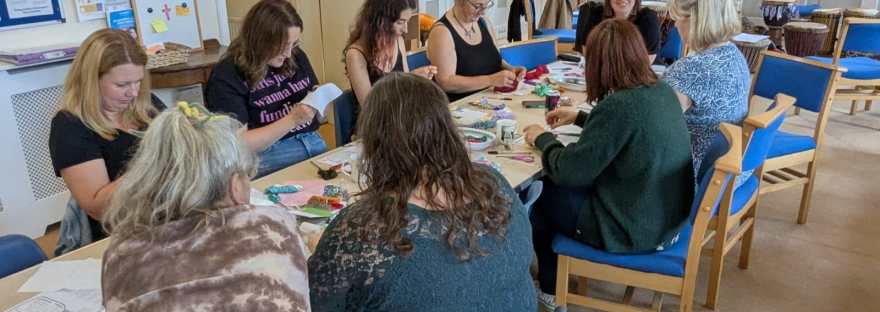
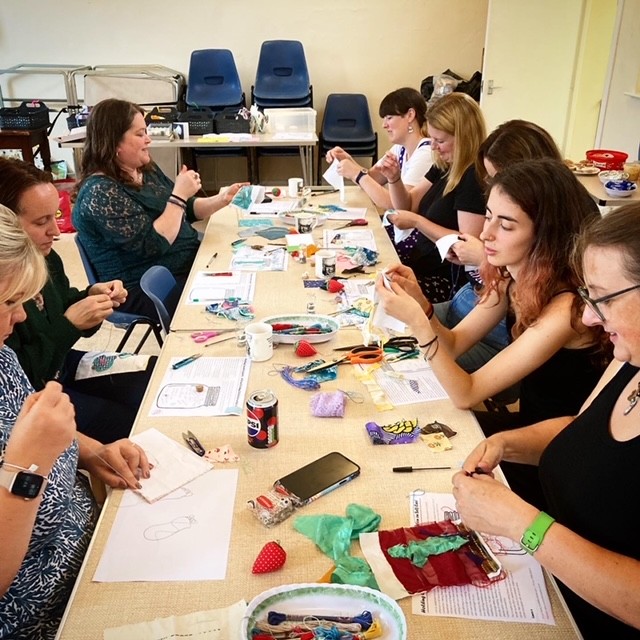
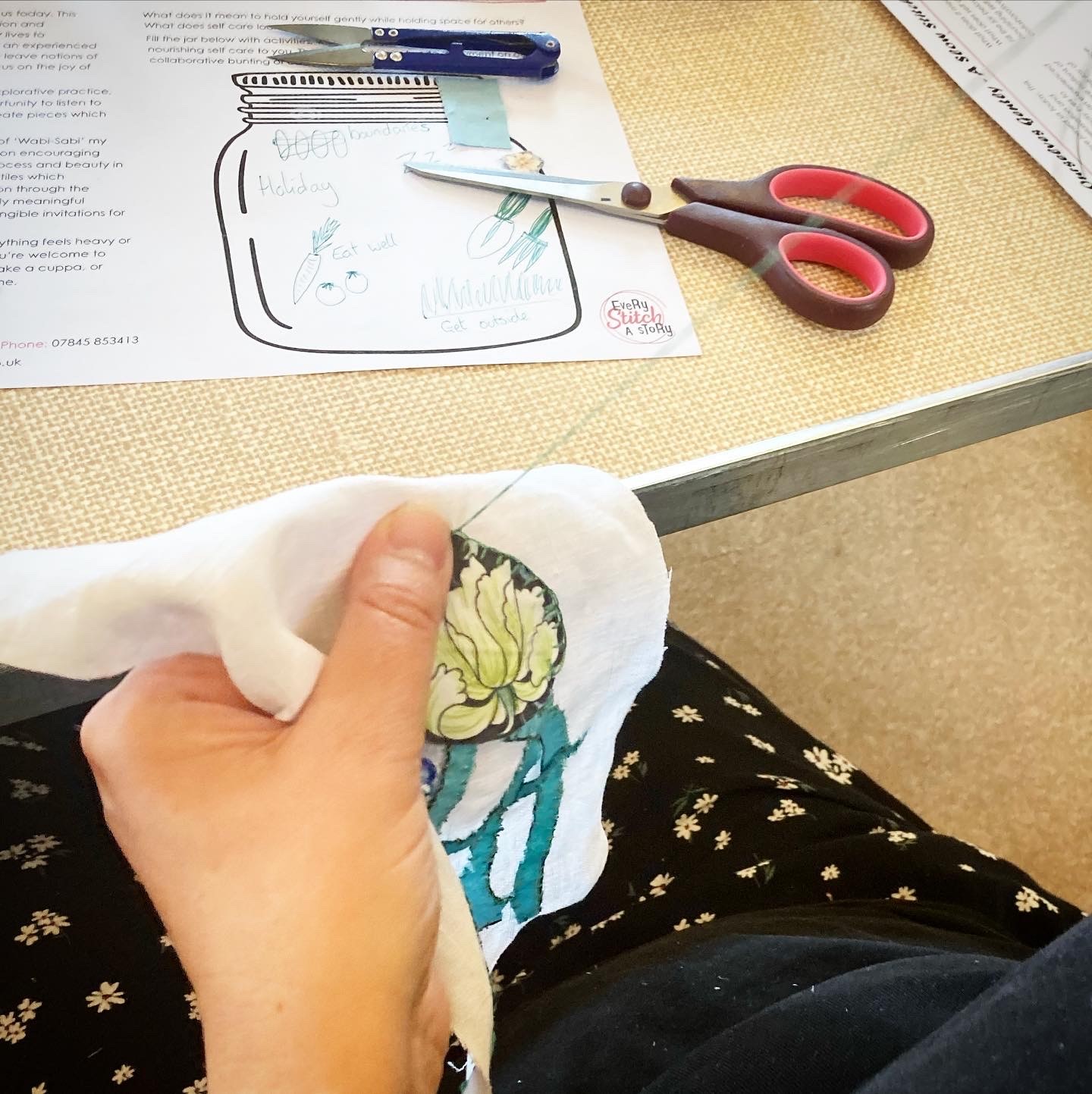
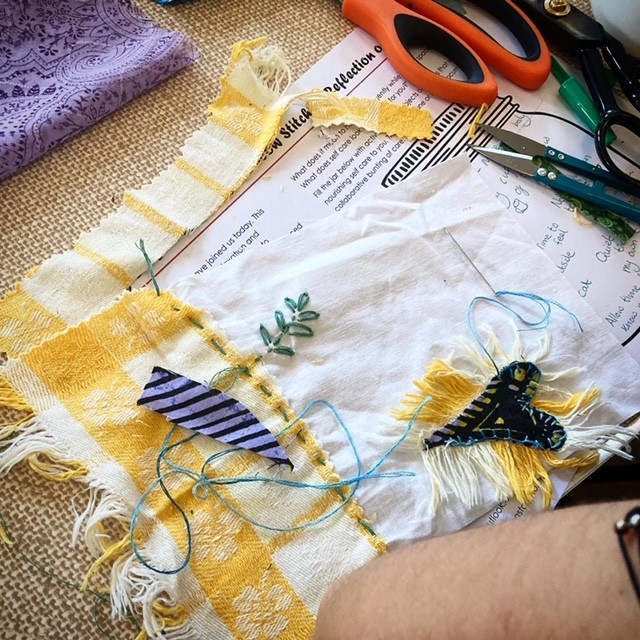
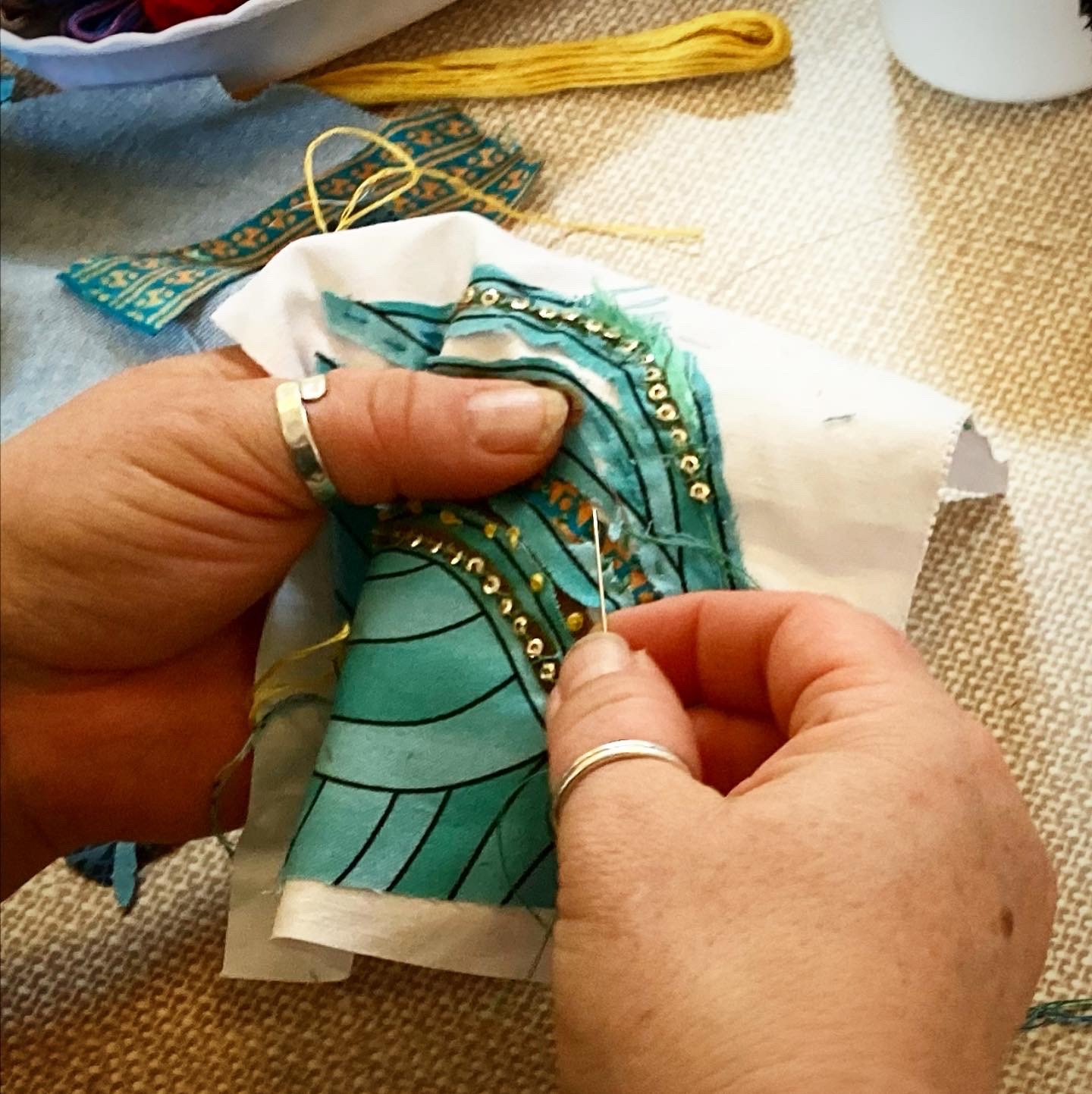
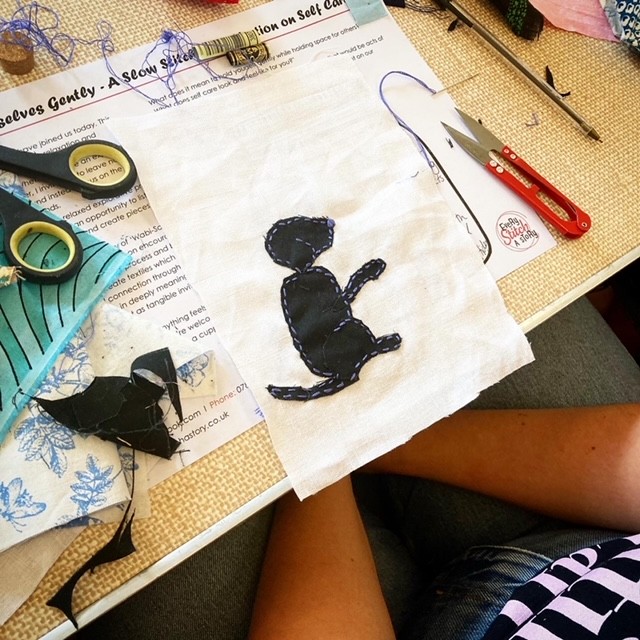
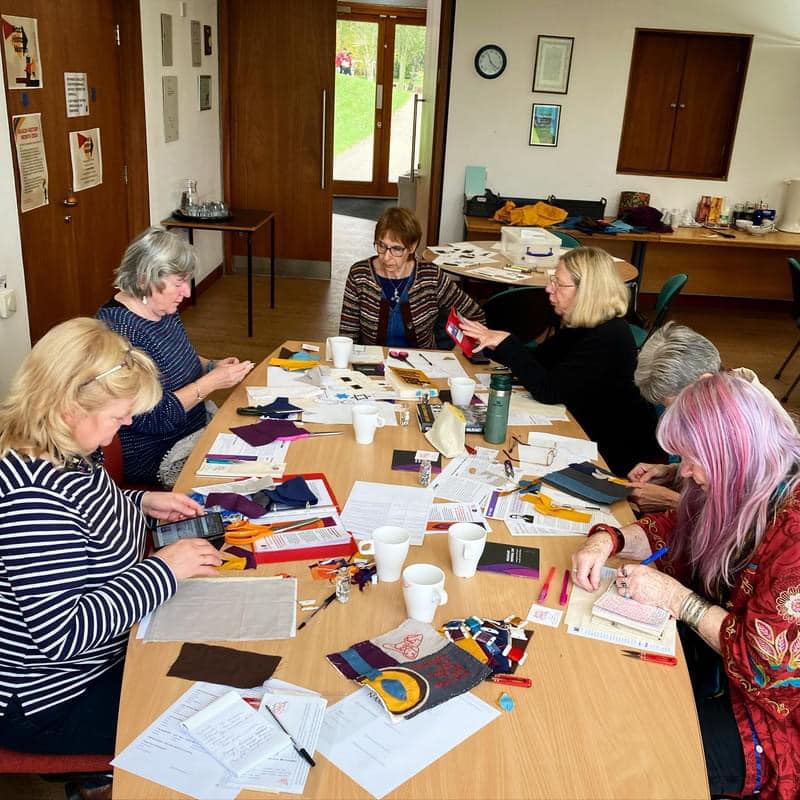
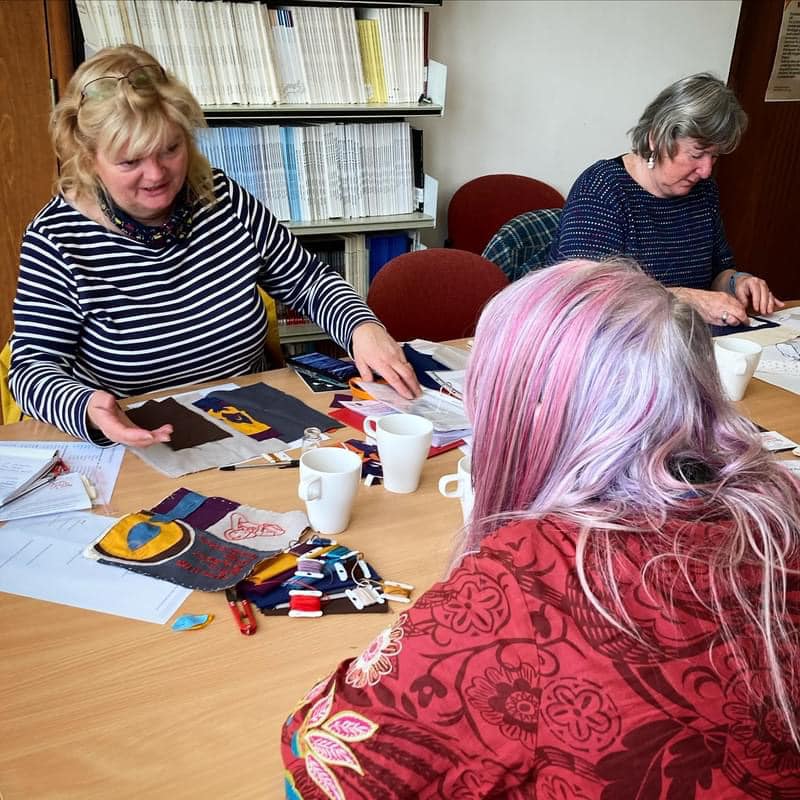
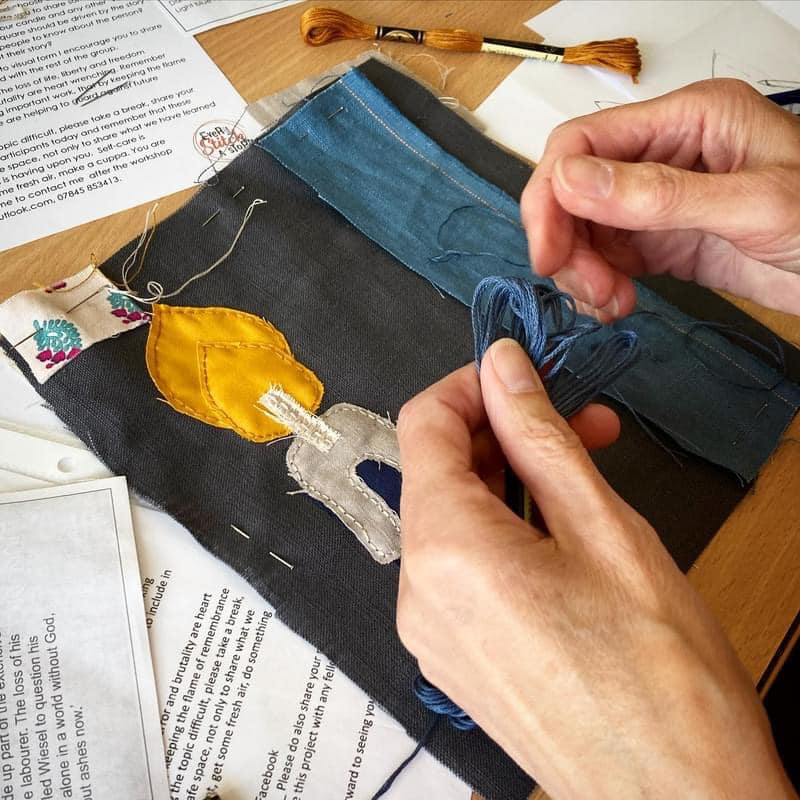
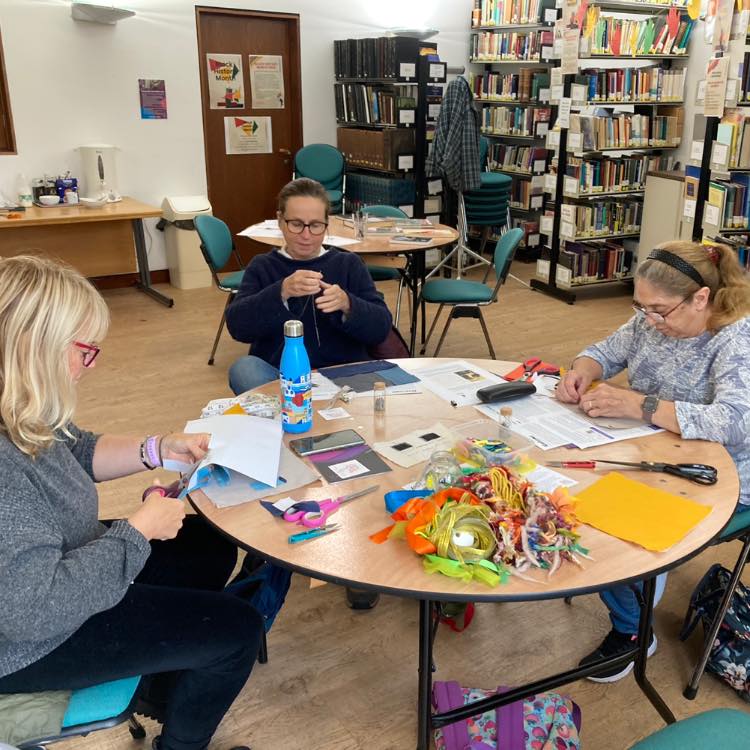
We closed with a slow stitching workshop I led, creating space to explore gentle creativity with hands and heart. Threads moved quietly through fabric as people reflected, shared, and simply breathed together in stillness — a chance to make something, slowly and softly, just for themselves.

The feedback from the day left me full of gratitude, not just for what was learned, but for what was felt and shared:

  • “Today created space for healing and a sense of togetherness.”
  • “I feel empowered. I’ve connected with others running similar work and feel more confident about trauma-informed practice.”
  • “It reminded me that we are an incredible resource — full of compassion and skills. We need to connect more.”
  • “I was able to reflect on my own needs, my boundaries, and my self-care as a facilitator.”
  • “It was warm, supportive, and full of ideas. I’m taking this energy with me.”

Moving forward… Holding space for others is beautiful work, but it can also be heavy, complex, and isolating. Days like this are a reminder that we need each other just as much as our communities need us. We need space to reflect, to reconnect with ourselves, and to be in the company of others who understand the unspoken weight of this work.

I’m deeply grateful to everyone who showed up with open hearts and open hands. And I hope this is just the beginning, of more conversations, more collaborations, and more care for the carers.

If you were part of the day, thank you. If you weren’t, I hope we meet next time. Because the art of holding space isn’t something we do alone, it’s something we learn, share, and strengthen together.

Tikkun Olam – healing for a broken world

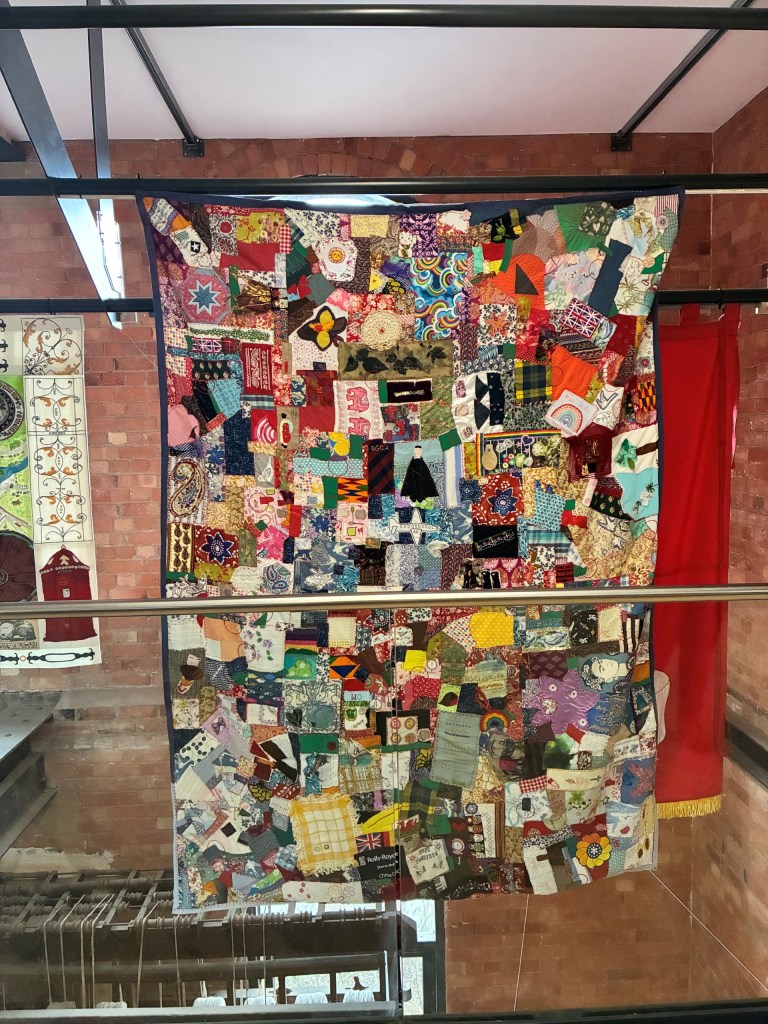
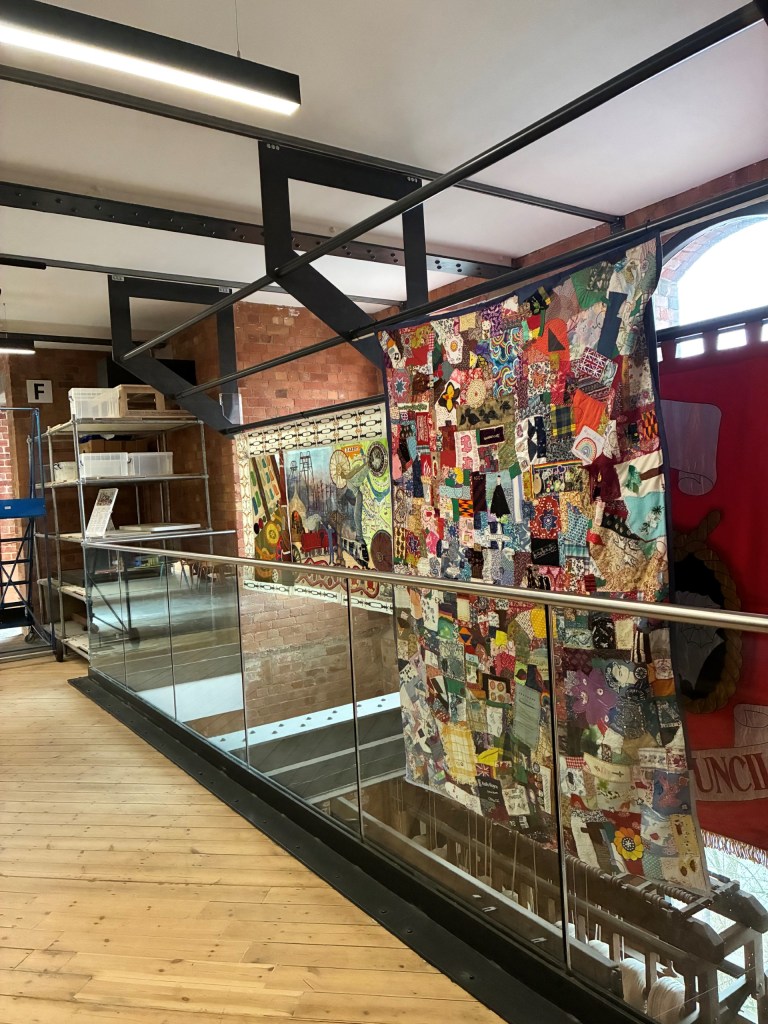
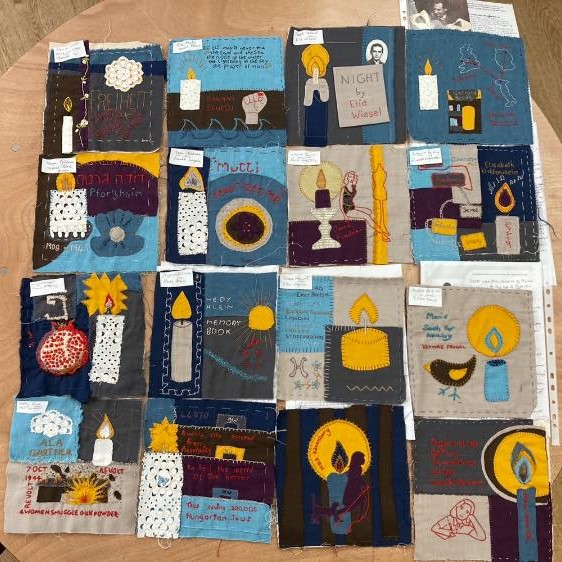
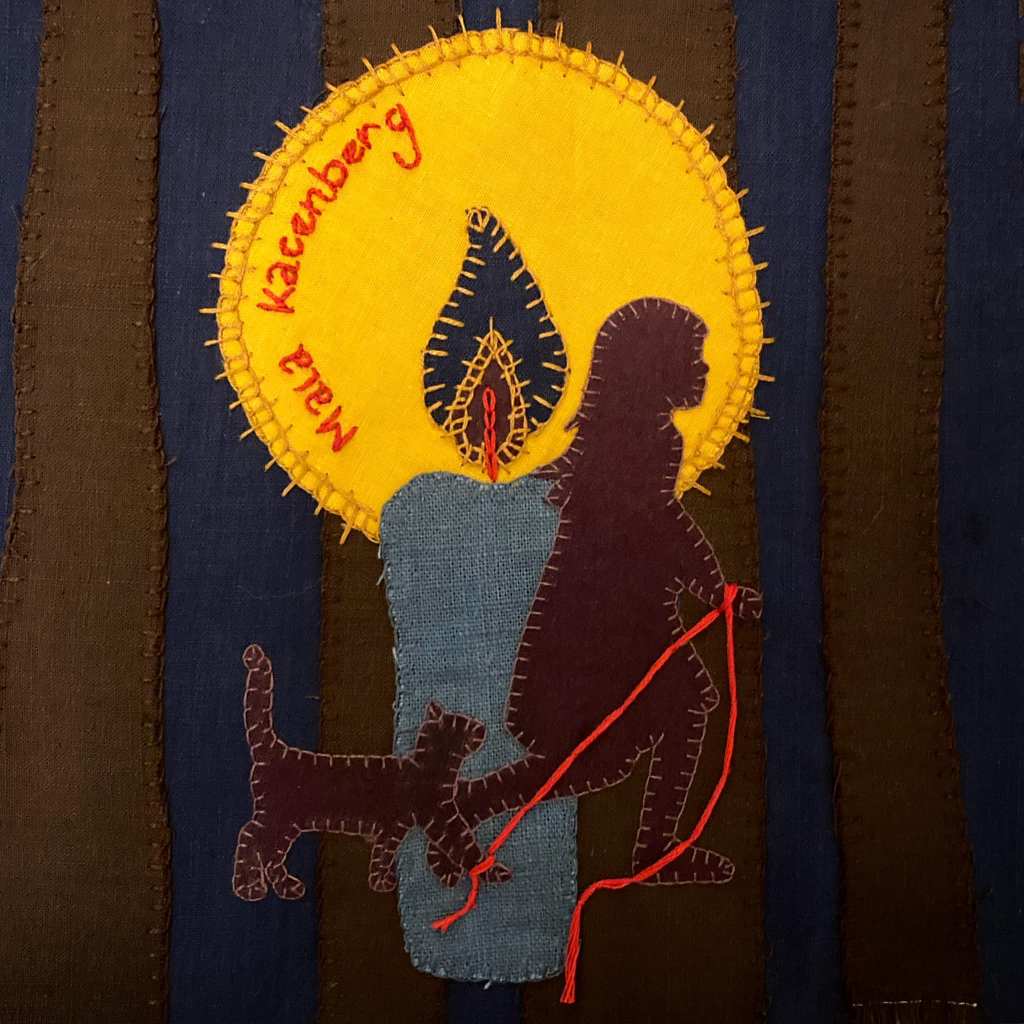
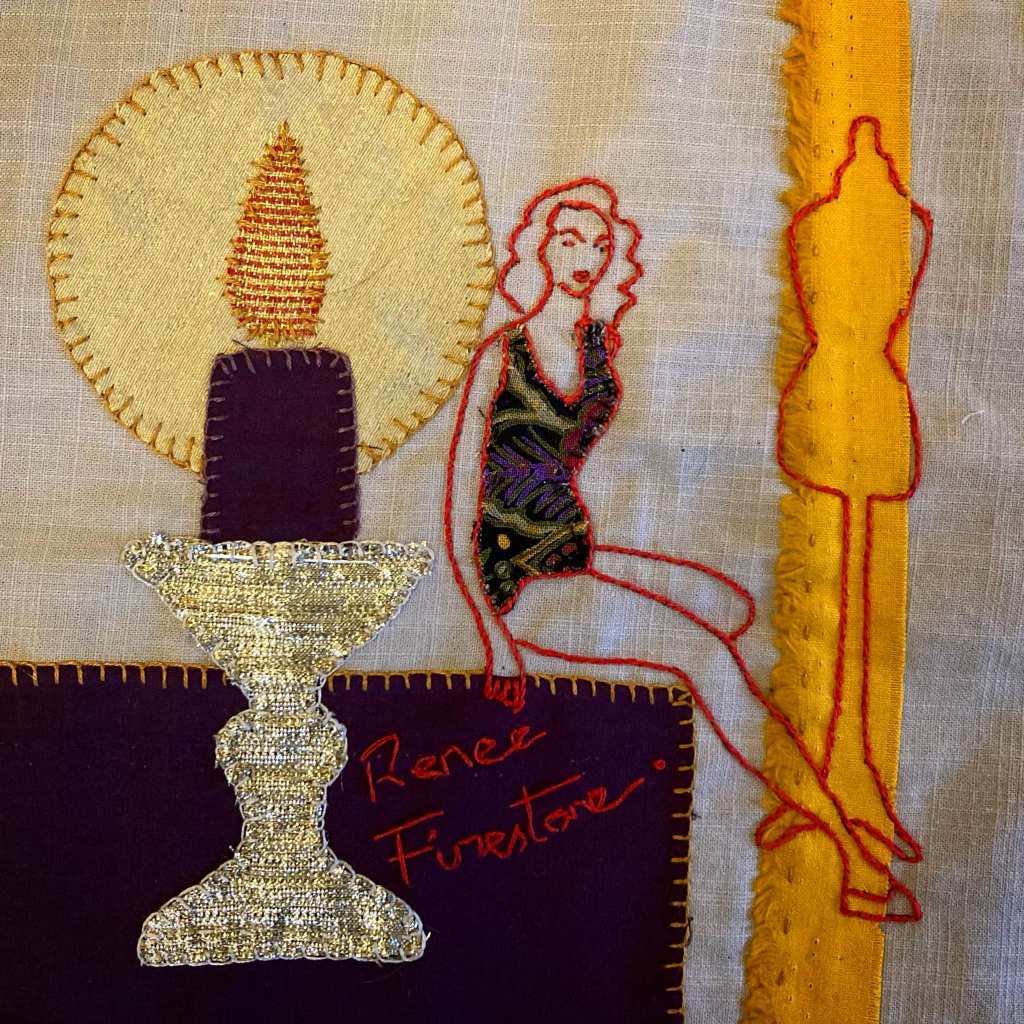
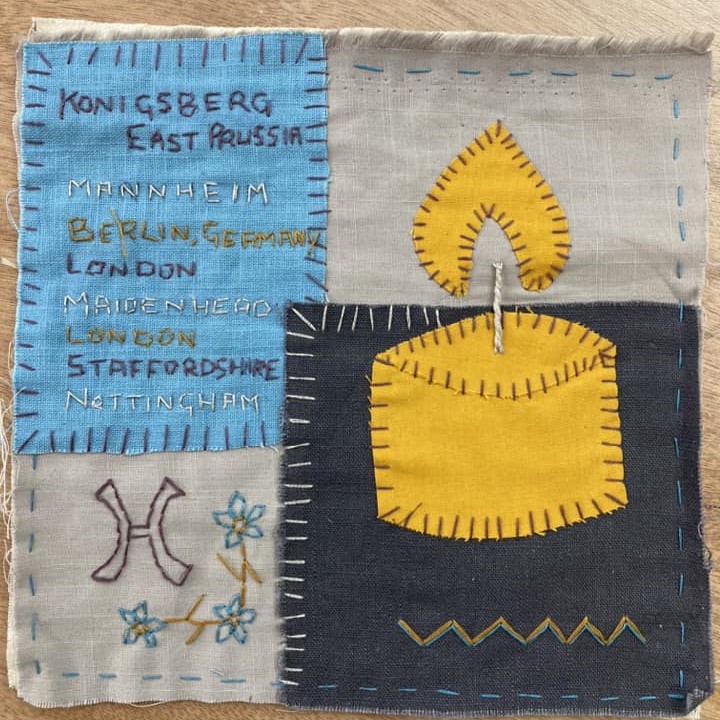
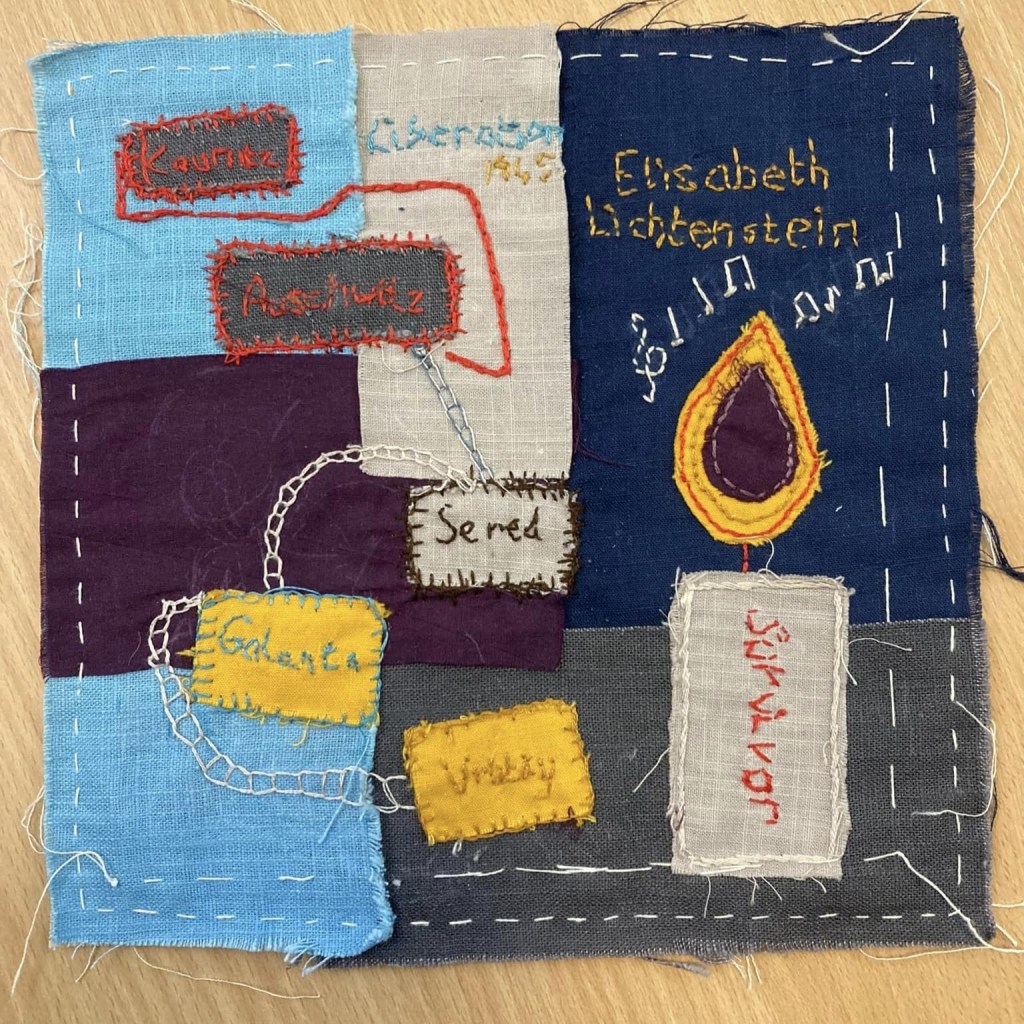
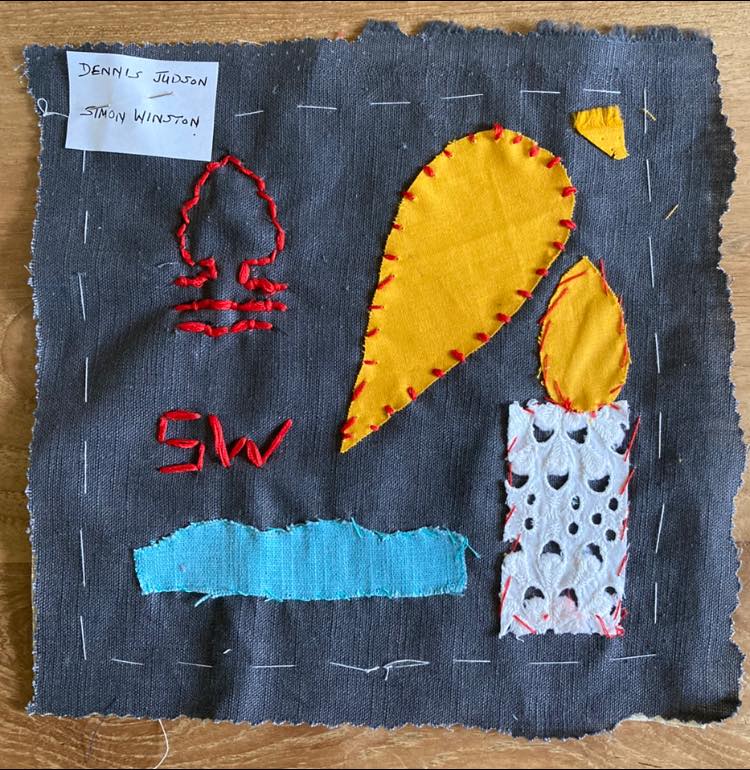
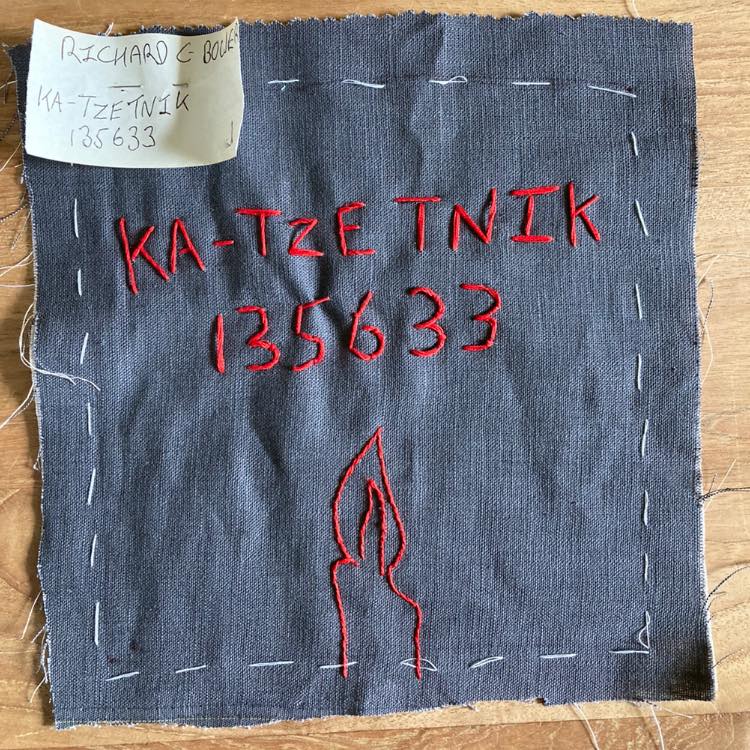
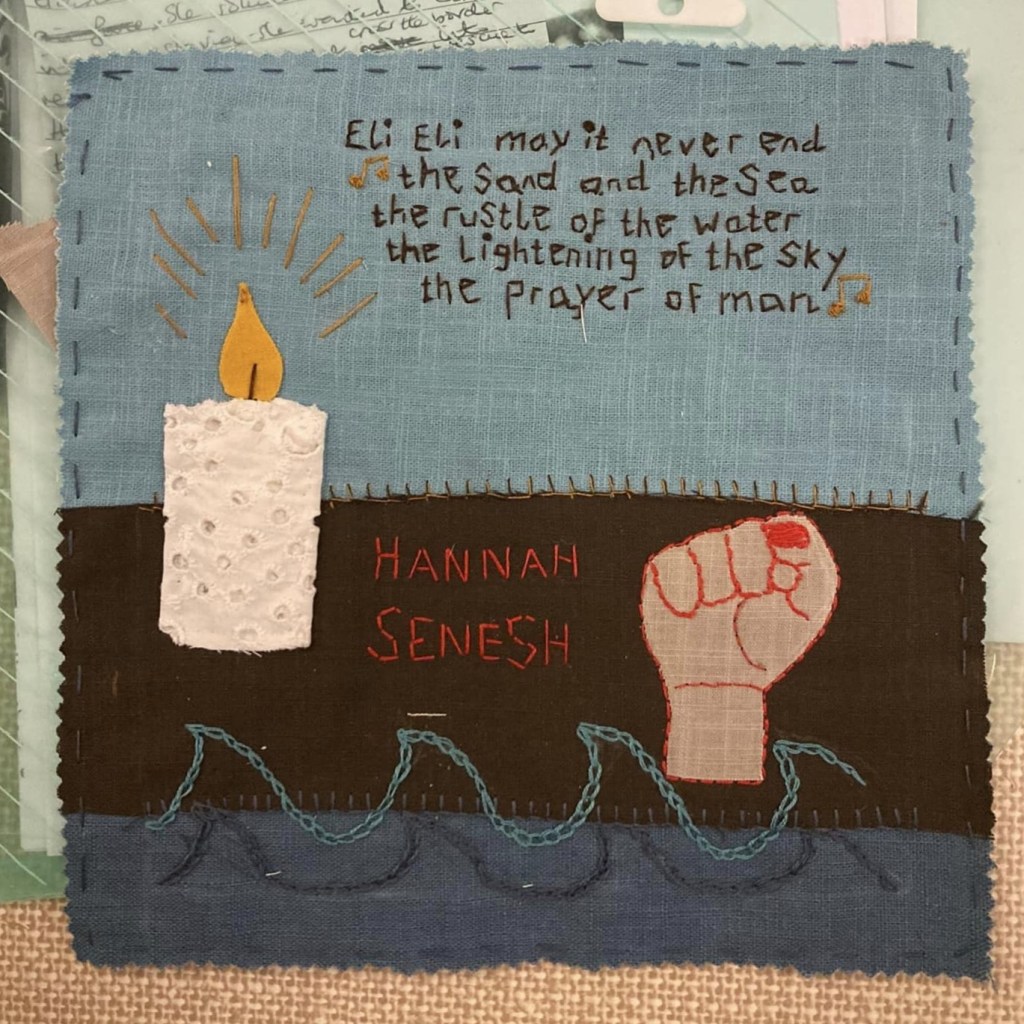
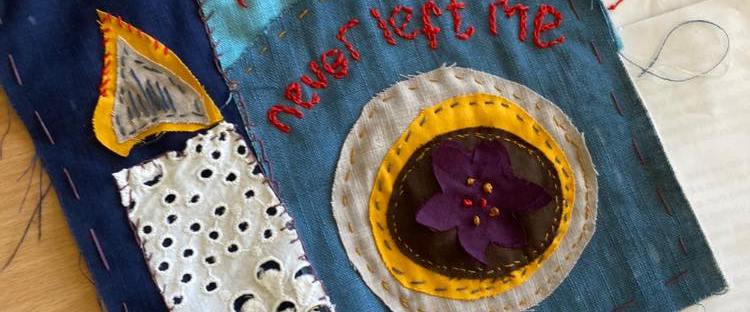
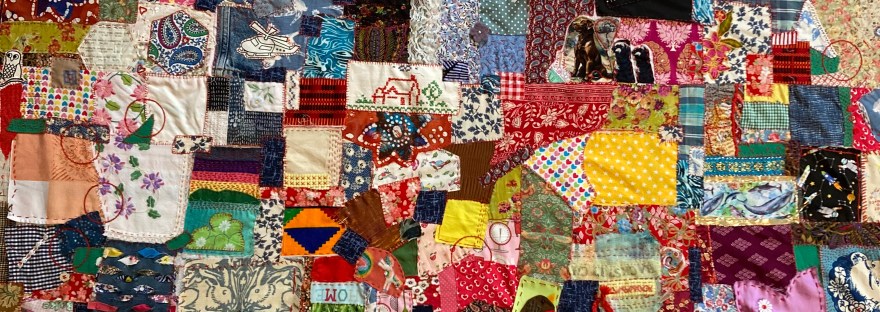
Over the past week or so I have been ‘gifted’ a number of remarkable contributions to the 80 Candles Quilt. Beautiful, thoughtful and carefully crafted squares each representing a life affected by the Holocaust and the Nazi regime. These squares act as a recognition and celebration of a life lived. They also depict the horror of lives taken, lives brutally altered and subsequently lives impacted for generations to follow.

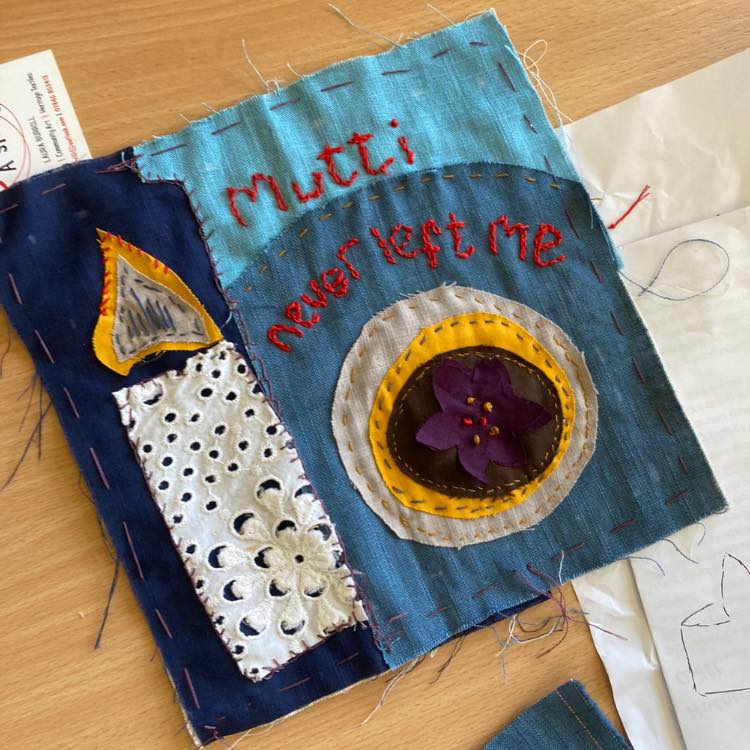
Participant contributions – Every Stitch A Story

The weight of these personal stories has at times in recent weeks felt heavy to carry. When mentioning this to a truly wonderful participant at workshop last week they offered me the gift of the Hebrew phase to help me in the weeks to come, ‘Tikkun Olam’. ‘Tikkun Olam’ is the Jewish concept of the importance of social action and carrying out acts of kindness in the pursuit of improving, repairing and healing a broken world. The 80 Candles Quilt Project was referred to as the act of ‘a peace maker’.

When I began this project, the key aims were education, memorialisation and honoring those affected. What I never anticipated was that this project would, so long after the events, offer a sense of comfort to those personally affected. That sharing and honoring would help people feel seen, heard and acknowledged and that the project would provide space for healing and repair. Every contributor to this project has carried out an act of Tikkun Olam – together we are carrying out small acts of healing for a broken world. So, whilst this weight is at times heavy, it is worth carrying and it feels lighter when we carry it together.

Welcome to the project team!

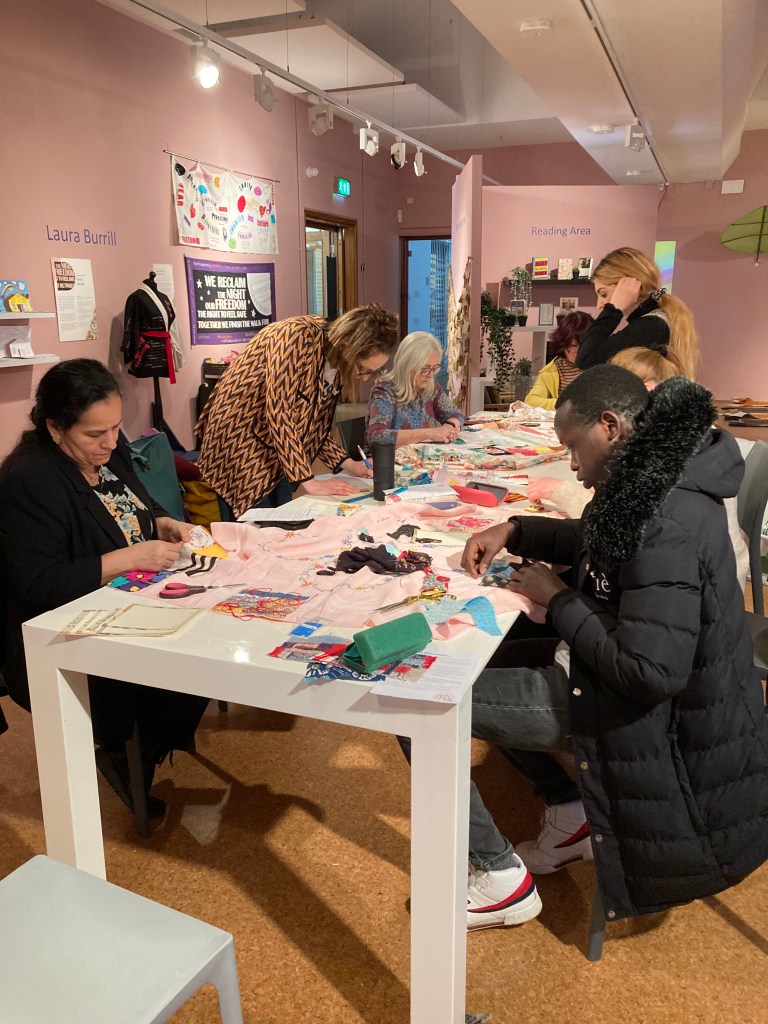
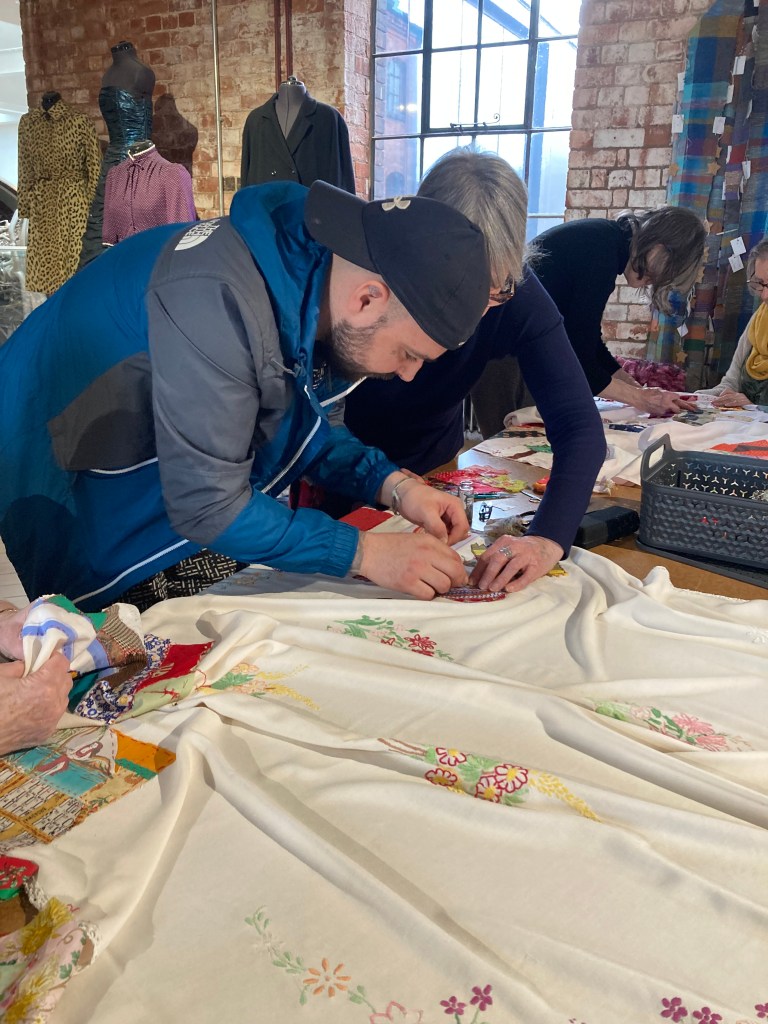
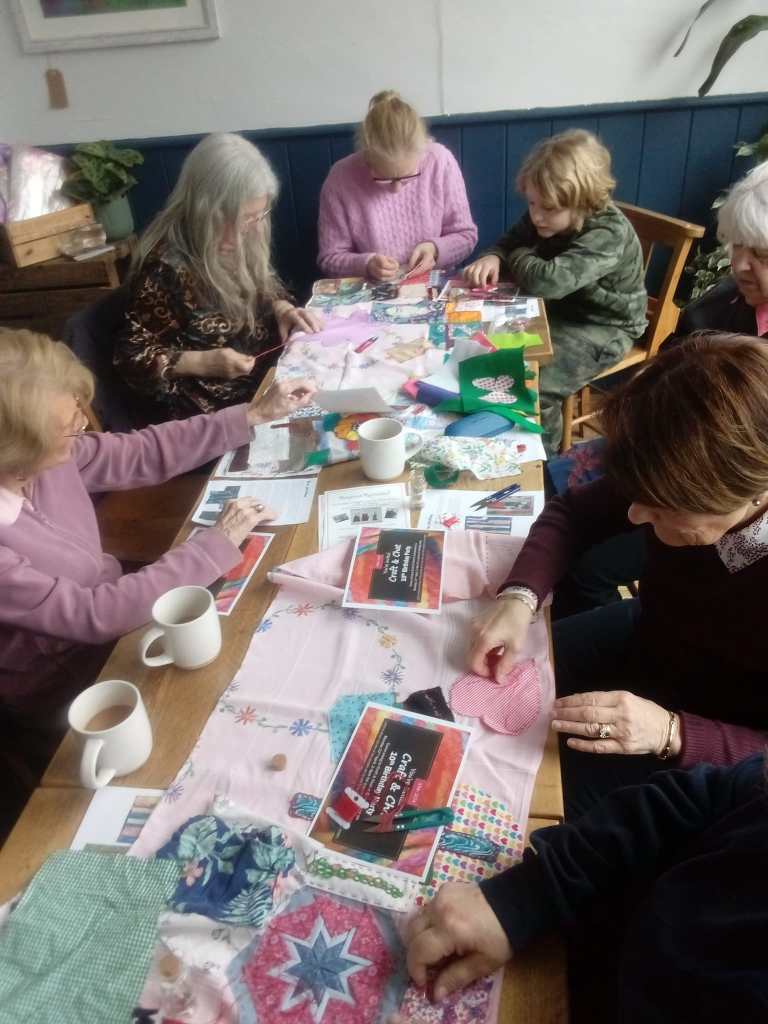
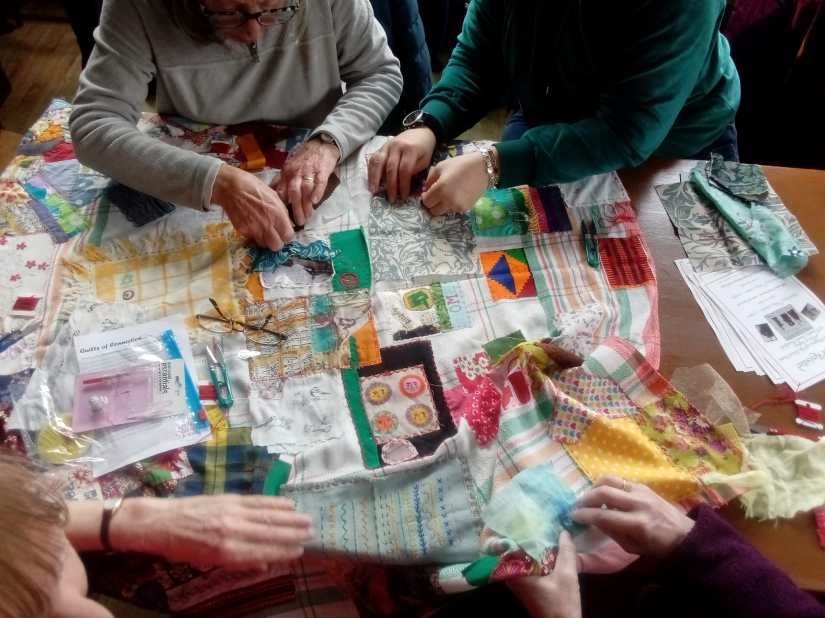
Support for the Holocaust Memorial Day: 80 Candles Quilt project has been amazing! Organisations including The Multi Faith Centre, Ashbourne Methodist Church Craft & Chat Group and the National Holocaust Centre & Museum have provided workshop space; a steady stream of financial donations have been trickling in via the crowdfunding page (please keep donating) and participants have been incredibly generous with their time, creating beautiful, meaningful dedications. I am delighted to share that the project is also benefiting from research support as Yael Sacker has joined the Project Team.

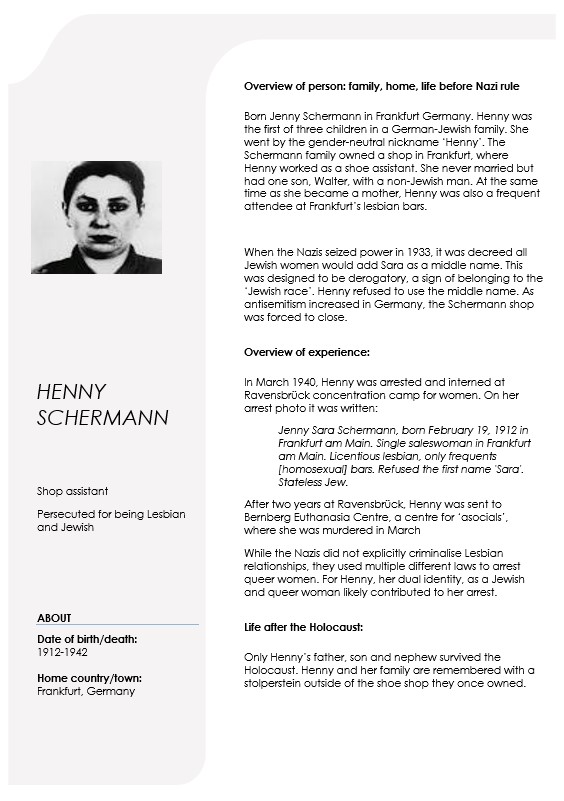
Yael is an International Relations master’s graduate from University of Birmingham and has been beavering away behind the scenes working on research to help shape the project. Researching a broad spectrum of individuals affected by the holocaust, Yael has created a selection of easy-to-read profiles so that participants who don’t have the skills or time to do their own research can still take part.

Yael Sacker, Research Support

I have a passion for research which I am excited to apply to this project. The HMD project is one close to my heart as many of my ancestors perished in the Holocaust, and this project is wonderful chance to amplify their and other victims’ stories and voices.

Participants have been enjoying reading the profiles and a number have been selected as the focus of their creative contributions. These will be available at the last remaining workshops at The Multi Faith Centre on Tuesday 12th November, The National Holocaust Centre and Museum on Thursday 14th November and to student Art Ambassadors at Queen Elizabeths Grammar School who are taking part in the project in the coming weeks.

Crowdfunding Page LIVE!

At the risk of being crass, running community projects takes money; workshop space, fabric, threads and of course my time as a professional Textile Artist & Community Arts Practitioner. Funding for projects can be tricky to come by, but the 80 Candles Memorial Quilt Project was something I really wanted to do. It feels important and timely.

Determined not to let the lack of funding out there deter me, I have forged ahead and ‘trusted the process’. Previous projects have taught me that if you have vision, passion and determination, and you can share that with others, it really does all work out in the end. This project is proving no different, not only have the Multi Faith Centre, Ashbourne Methodist Craft & Chat Group, Brailsford Methodist Church and the National Holocaust Centre & Museum supported the project by donating venue space to host workshops, participants have been asking how they can donate towards costs too.

I am incredibly grateful to everyone who has donated so far, with a final quilt measuring nearly 1.5 meters by 2 meters it’s a costly piece to create. To honour those who had everything taken from them, right down to their clothes and shoes, I have strayed from my usual practice of utlising vintage and reclaimed fabrics and opted instead for beautiful linens and organic cottons.

The results so far are truly inspiring. The workshops have been beautiful spaces for storytelling, connection and creativity. The first squares finished are wonderful miniature visual narratives or people’s lives and have offered the time for contributors to really connect with the experience of others and share that story more widely. If you’d like to get involved with or support this project there are three ways to get involved:

  • Take part in a workshop, dates and links here and make a donation towards costs.
  • Order a postal pack and complete your contribution from the comfort of your own home.
  • Donate to the project and have your name embroidered on the back of the quilt.

We currently have 30 participants and nearly 40 squares in progress, please help us create this beautiful memorial and join the team!

Beginning at square one

Trying to pick just one person to represent in a quilt in memorial to those affected by the Holocaust is daunting. As a champion for telling stories through the creation of textiles I knew I wanted to honor a fellow ‘sewist’, someone who had stitched something whilst in a concentration camp.

Meet Sonja Jaslowitz, a young German speaking, Jewish Romanian girl whose creative talent lives on through her poetry and embroidered belt.

Sonja’s story…

On 4th June 1942, Sonja Jaslowitz, together with her German speaking Jewish parents, Lotte and Adolf Jaslowitz, were deported to Cariera de Piatra Concentration and Camp.[1]

Sonja, Adolph and Lotte Jaslowitz, c1939. ©Wiener Holocaust Library

Sonja was just 15 years old. She left behind her home, a first floor flat owned by her grandmother, in the bustling town of Czernowitz, Romania. [2] Czernowitz had a large Jewish community, but as fascism rose in popularity across Romania, antisemitism increased. [3] Between 1941 and 1944 approximately three hundred thousand Jews and Roma perished in the Romanian administered region.[4] 

Sonja and her family were sent eastward to a region that came to be known as Transnistria. Transnistria was a ‘holding’ or ‘containment’ place for deported Jews, a ‘dumping ground’ to await mass transfer across the Bug River.[5] The family spent time in the makeshift Cariera de Piatra concentration camp. Once a granite rock quarry, inmates found ‘shelter in wrecked guard and storage sheds that had been built partially into the rock’. [6] More than five hundred people were crammed into wooden barracks built to accommodate just eighteen. [7] From here they were sent to Obodovka Concentration Camp and then onto the Tiraspol ghetto. With limited documentation we can only imagine how Sonja and her parents managed to survive the brutal environment. Together they would have faced deprivation, starvation, dehydration and bitterly cold temperatures.

Amongst all this horror Sonja chose to create, and perhaps more remarkably some of her creations survived. These surviving acts of resistance include a black blanket-stitched belt embroidered with whimsical flowers, mushrooms and quaint scenes of houses with picket fences, trees, fluffy clouds and sunshine; and a body of poetry written in German, Romanian and French. Composed in the camps and ghettos of Transnistria her poetry gives us a glimpse of the girl she was, thoughtful, observant, resourceful, sarcastic, courageous, defiant.

Embroidered belt, created by Sonia Jaslowitz [8]

Using simple verses and metaphorical phrases Sonja conveys her deeply felt emotional state of pain and longing whilst painting a picture of her surroundings. She gives agency to hope, nurturing her confidence and mental energy in order to survive.  

‘…But far away in this grey distance –

A flickering redemption waves

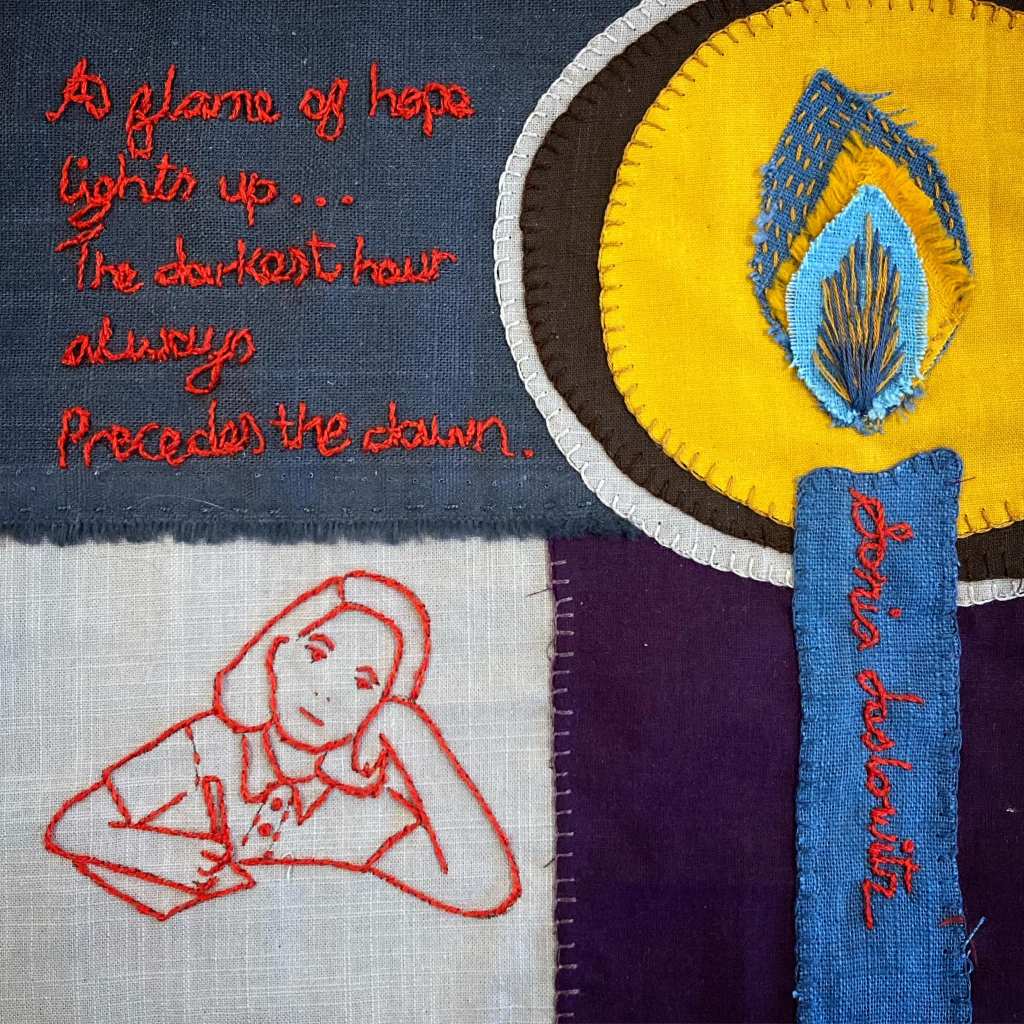
A flame of hope lights up

Compelling us to strength

And with a powerful

Voice, it calls

Endure your cruel lot,

The darkest hour

Always precedes the dawn.’ [9]

Sonja and her parents were liberated in 1944 and repatriated to the Romanian capital, Bucharest. Here she typed an illustrated some of her poems. Sadly, she was killed during the shelling of Bucharest, April 1944. Collateral damage victim of shrapnel from Allied bombs intended for German-controlled oil installation near Romanian capital.[10] Sonja’s father died shortly afterwards having contracted tuberculosis in the ghetto. Her mother moved to England, bringing with her Sonja’s creative works.

 How would Sonja feel about her work being shared? Did she create privately for herself or intentionally to share her story? Was she determined to document her experience, exercising her own limited agency within the confines of Nazi rule, or simply filling time?

There is a vulnerability in creating and being creative, works set free into the world can easily be dismissed, ignored, criticized or misunderstood. But there is also power in creating art; the power to tell a story and share ones inner most self for others to see. It provides space to contemplate and regulate emotion and room for play and experimentation. Sonja’s embroidered belt is what drew me to find out more about her, I was sure an object of such whimsy and beauty created in such horror had a story to tell. I wonder what Sonja would think of the square I am dedicating to her?
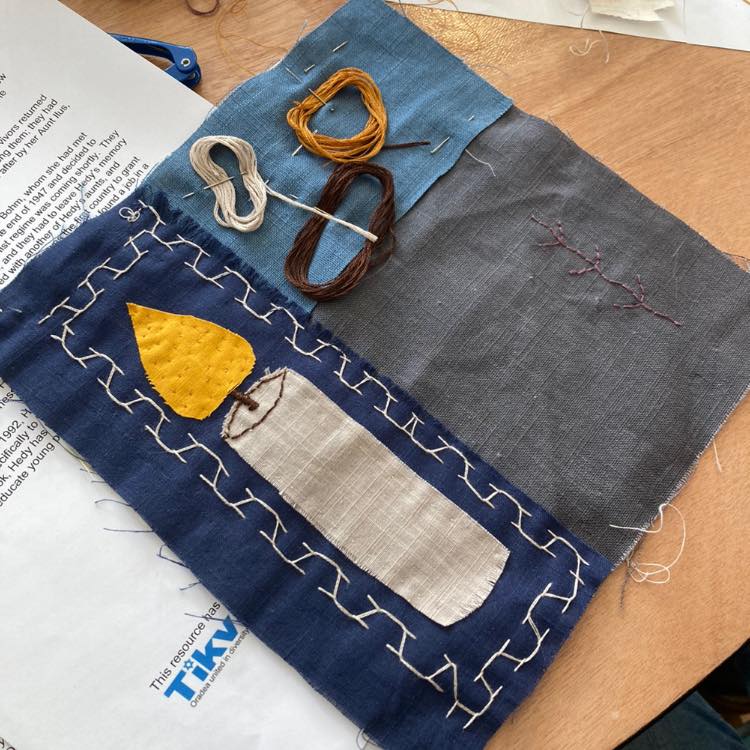
Square one, work in progress. ‘Remembering Sonja Jaslowitz’, Laura Burrill, linen on calico.

Bibliography

Hirsch, K, Spitzer, L, ‘Small Acts of Repair: The Unclaimed Legacy of the Romanian Holocaust’, Journal of Literature and Trauma Studies, Volume 4, No 1-2, Spring/Fall, 2015 p.13-42 Available online: (PDF) Small Acts of Repair: The Unclaimed Legacy of the Romanian Holocaust (researchgate.net)

Jarvis, H. The Writings, Documents and Photographs of Herschl Jaslowitz (Dr. Harry Jarvis) Available online: harryjarvis (ehpes.com)

The Weiner Holocaust Library, The Holocaust Explained, https://www.theholocaustexplained.org/

Yad Vashem, The World holocaust remembrance centre, Search Sonja Yaslowitz. Available online: Yad Vashem Collections – Documents – Search Results


[1] Cariera de Piatra is also referred to as Ladijin Concentration Camp. The Weiner Holocaust Library, The Holocaust Explained, Ladijin Concentration Camp (nd) Available online:  Ladijin Concentration Camp – The Holocaust Explained: Designed for schools Date Accessed: 14.09.24

[2] The Writings, Documents and Photographs of Herschl Jaslowitz (Dr. Harry Jarvis)Available online: https://czernowitz.ehpes.com/stories/jarvis/harryjarvis.html, Date Accessed: 14.09.24; Lotte Jaslowitz – The Holocaust Explained: Designed for schools, Available online:  https://www.theholocaustexplained.org/survival-and-legacy/life-after-the-holocaust/lotte-jaslowitz/ Date Accessed 19.09.24

[3] Lotte Jaslowitz – The Holocaust Explained: Designed for schools, Available online:  https://www.theholocaustexplained.org/survival-and-legacy/life-after-the-holocaust/lotte-jaslowitz/

[4] Hirsch, K, Spitzer, L, ‘Small Acts of Repair: The Unclaimed Legacy of the Romanian Holocaust’, Journal of Literature and Trauma Studies, Volume 4, No 1-2, Spring/Fall, 2015 p.13-42

[5] Hirsch, K, Spitzer, L, ‘Small Acts of Repair: The Unclaimed Legacy of the Romanian Holocaust’, Journal of Literature and Trauma Studies, Volume 4, No 1-2, Spring/Fall, 2015 p.13-42p25

[6] Hirsch, K, Spitzer, L, ‘Small Acts of Repair: The Unclaimed Legacy of the Romanian Holocaust’, Journal of Literature and Trauma Studies, Volume 4, No 1-2, Spring/Fall, 2015 p.13-42P.27

[7] The Weiner Holocaust Library, The Holocaust Explained, Ladijin Concentration Camp (nd) Available online:  Ladijin Concentration Camp – The Holocaust Explained: Designed for schools Date Accessed: 14.09.24

[8] Jaslowitz, S., Embroidered belt, c1942-4. Available online: https://wienerholocaustlibrary.org/object/1617-13/ Date accessed: 16.09.24

[9] From poem ‘Longing’, S. Jaslowitz (Translated) Hirsch, K, Spitzer, L, ‘Small Acts of Repair: The Unclaimed Legacy of the Romanian Holocaust’, Journal of Literature and Trauma Studies, Volume 4, No 1-2, Spring/Fall, 2015 p.13-42, p.29.

[10] Hirsch, K, Spitzer, L, ‘Small Acts of Repair: The Unclaimed Legacy of the Romanian Holocaust’, Journal of Literature and Trauma Studies, Volume 4, No 1-2, Spring/Fall, 2015 p.13-42, p.14.